
ESWA HISTORY
Atlantic City began as a vacation destination for Philadelphia’s working class. It reached its golden age in the 1920s when continued alcohol sales during prohibition attracted people from across the country. Tourists came to what became known as “America’s Playground,” sporting circus attractions and a bustling boardwalk, famous for its diving horse and bicycle-riding bear. The thousands of seasonal workers who operated these attractions, working as servers, porters and shopkeepers filled the schools, churches and businesses year-round, waiting for the summer rush when the population of the area swelled.
But, by the 1950s, Atlantic City’s desirability as a resort town was on the wane due to the development of interstate highways, automobiles and airplanes that made trips to the Bahamas, the Caribbean and Florida more accessible. Manufacturing was simultaneously on the decline, leaving only seasonal jobs for Atlantic City workers.
Scenes of slums, poverty and homelessness replaced what was once a bustling resort town.
New Jersey’s state legislature, seeking new sources of industry, revenue and jobs, passed the Casino Control Act in 1976, legalizing casino gambling in Atlantic City. Their claim was that a portion of the gambling proceeds would benefit aged and disabled NJ residents and would also be invested into housing, jobs and the overall lowering of costs for residents – what the law later codified as “pressing social and economic needs of the residents” of the state.
EASTERN SERVICE WORKERS ASSOCIATION (ESWA) was born out of these “pressing social and economic needs,” based on the need for a new strategy to permanently better the conditions of the working poor: a non-government funded approach that would allow those dealing with the problems of poverty to independently organize and determine their own solutions.
ESWA founding organizers were veterans of the “War On Poverty” and had lived through the litany of government-sponsored programs without any real change for the working poor. As a result, we were not hopeful that promises about gambling revenue would ever materialize unless seasonal and service workers organized, united with other concerned residents, to hold the government accountable to its promises.
Below are just a few milestones of ESWA’s history, broken into decade periods. While each milestone is significant, the whole story can only be found in the day-to-day organizing itself. The unsung heroes and leaders of our movement are those who volunteer year in and year out, filling emergency food requests, battling utility shutoffs and illegal evictions, and daily stitching together the divided areas of our community into a single united voice.
To meet these leaders and learn the whole story of an organizing drive that is open 365 days a year, you can invest the time as a volunteer and join us in our common cause to change the fortunes of South Jersey’s lowest paid workers.


1977-1986
THE FIRST DECADE
ESWA Opens in Atlantic City
ESWA’s first ten years in Atlantic County were tumultuous ones: finding our first office, launching a fierce campaign around the state’s use of casino tax revenue and, in the midst of a string of arsons related to redevelopment schemes, ESWA’s office burning down.
1977
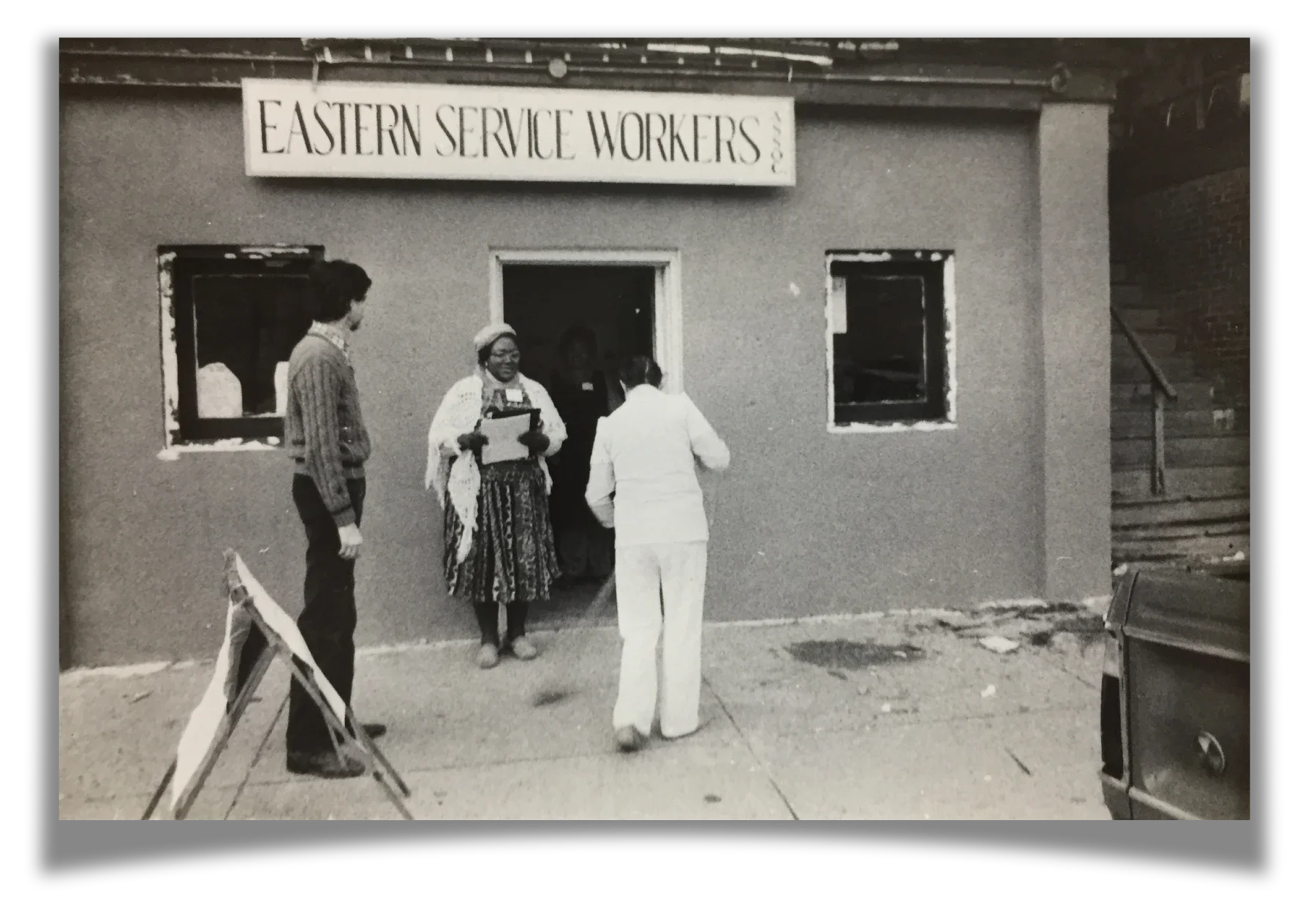
Where ESWA Began
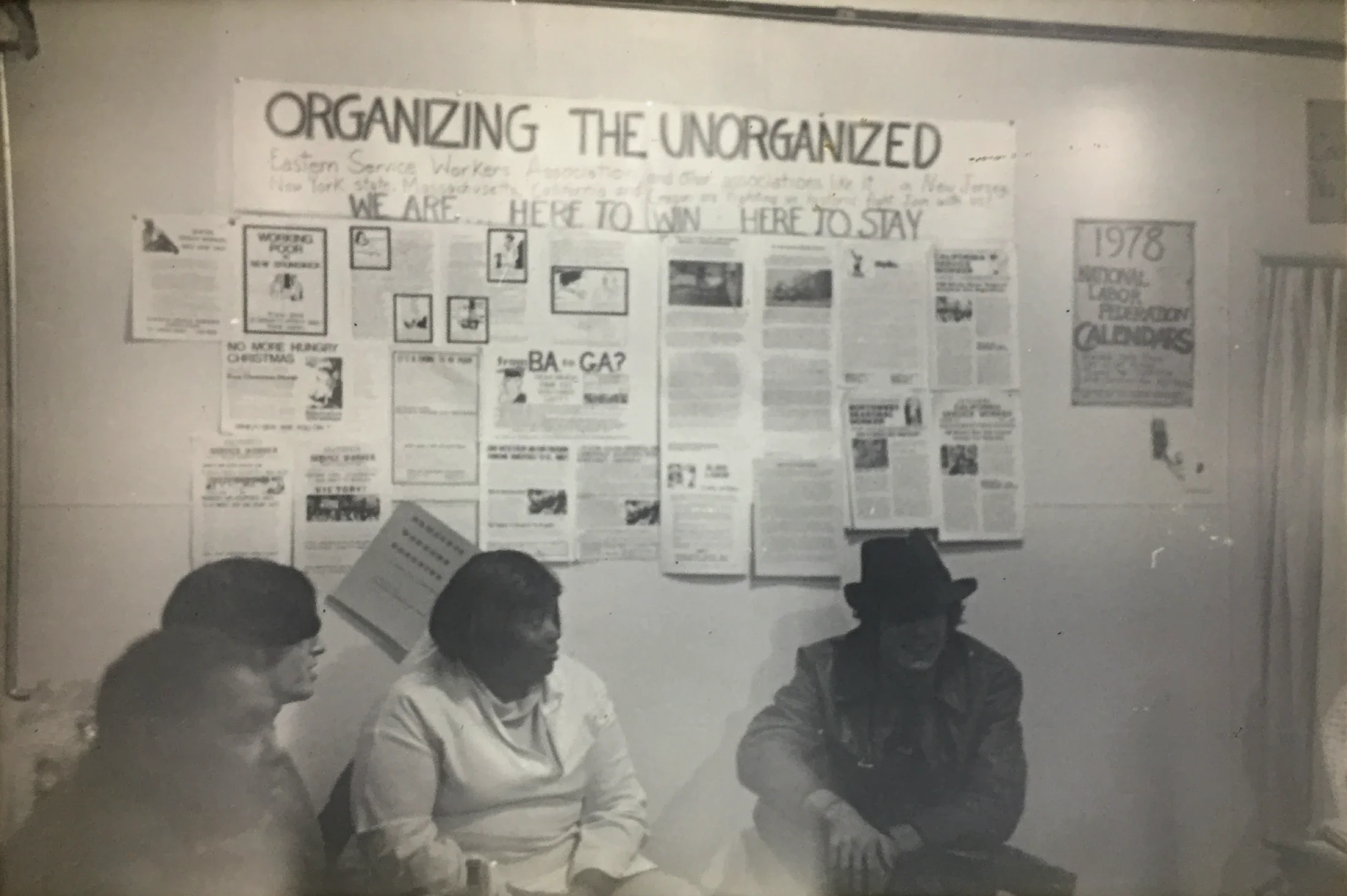
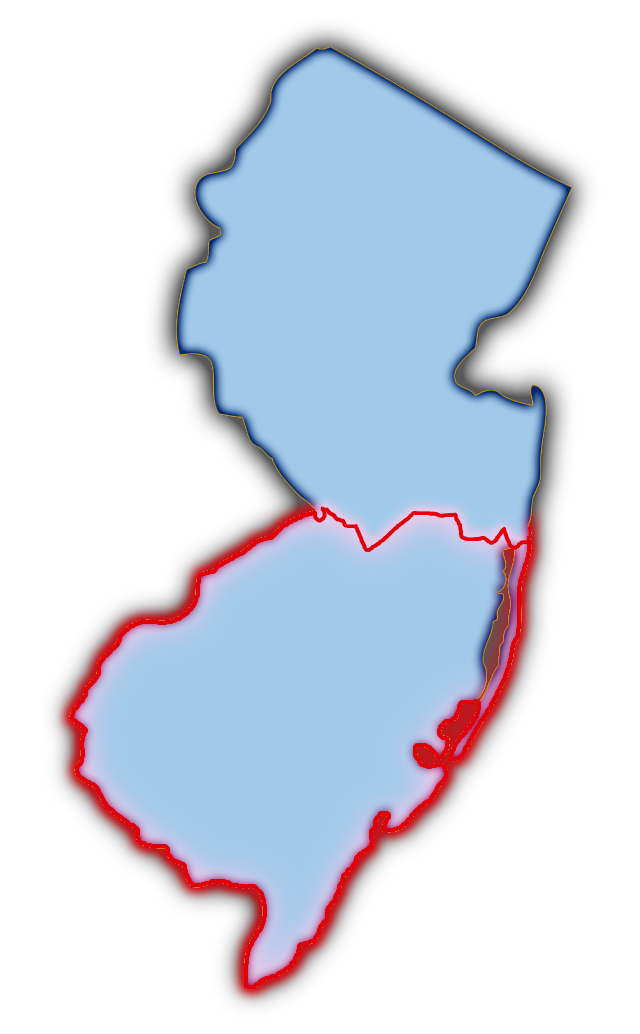
ESWA originally opened our doors in Atlantic County, NJ in 1977 after concerned residents familiar with past efforts to change the poverty conditions for low-income service workers decided to turn what had been a dream into a reality by uniting together Atlantic County’s vast low-income community with small businesses, students and the religious community.
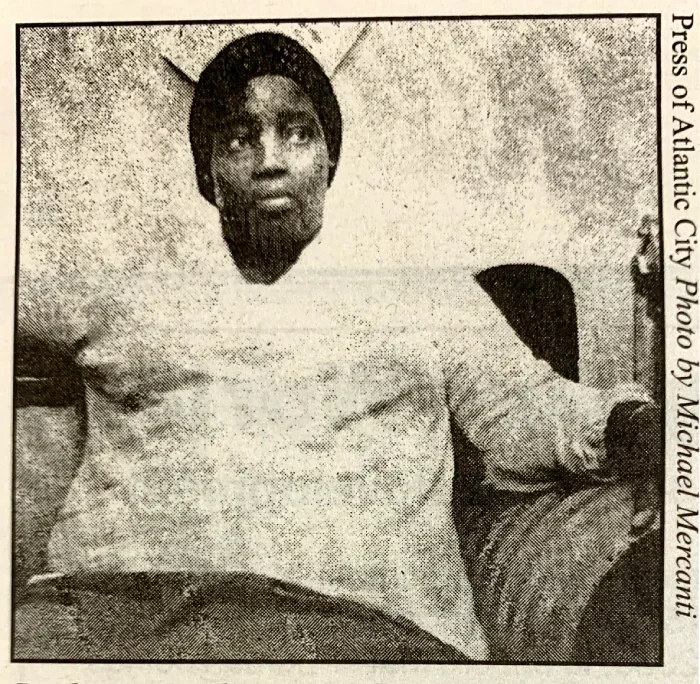
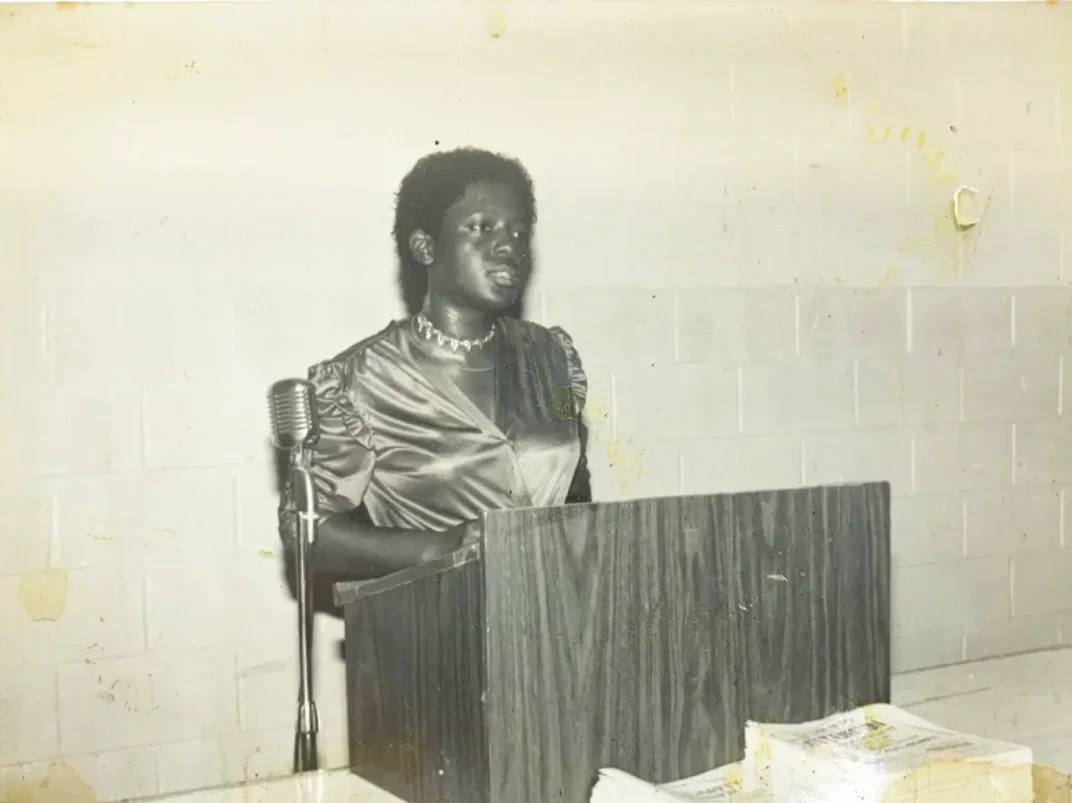
Barbara Cooke, one of ESWA’s founding organizers, in a July 26, 1979 interview “Mission to Uplift Among the Poor” with The Press of Atlantic City said, “The people who could be leaders [in Atlantic City] don’t get asked… I never got out of high school, but I know I could do a better job…” Cooke knew that without massive pressure from below, the state’s promises to our communities' most vulnerable members would go unfulfilled.
A follow-up Press article on July 30, 1979, “Consider the Forgotten” reflected a wary reaction by some for such an organization, “Who’s stirring up trouble in the Inlet now?” In response, others said, if “trouble” meant giving people a voice and meeting basic needs, “maybe a little trouble in the Inlet wouldn’t hurt.”
1978
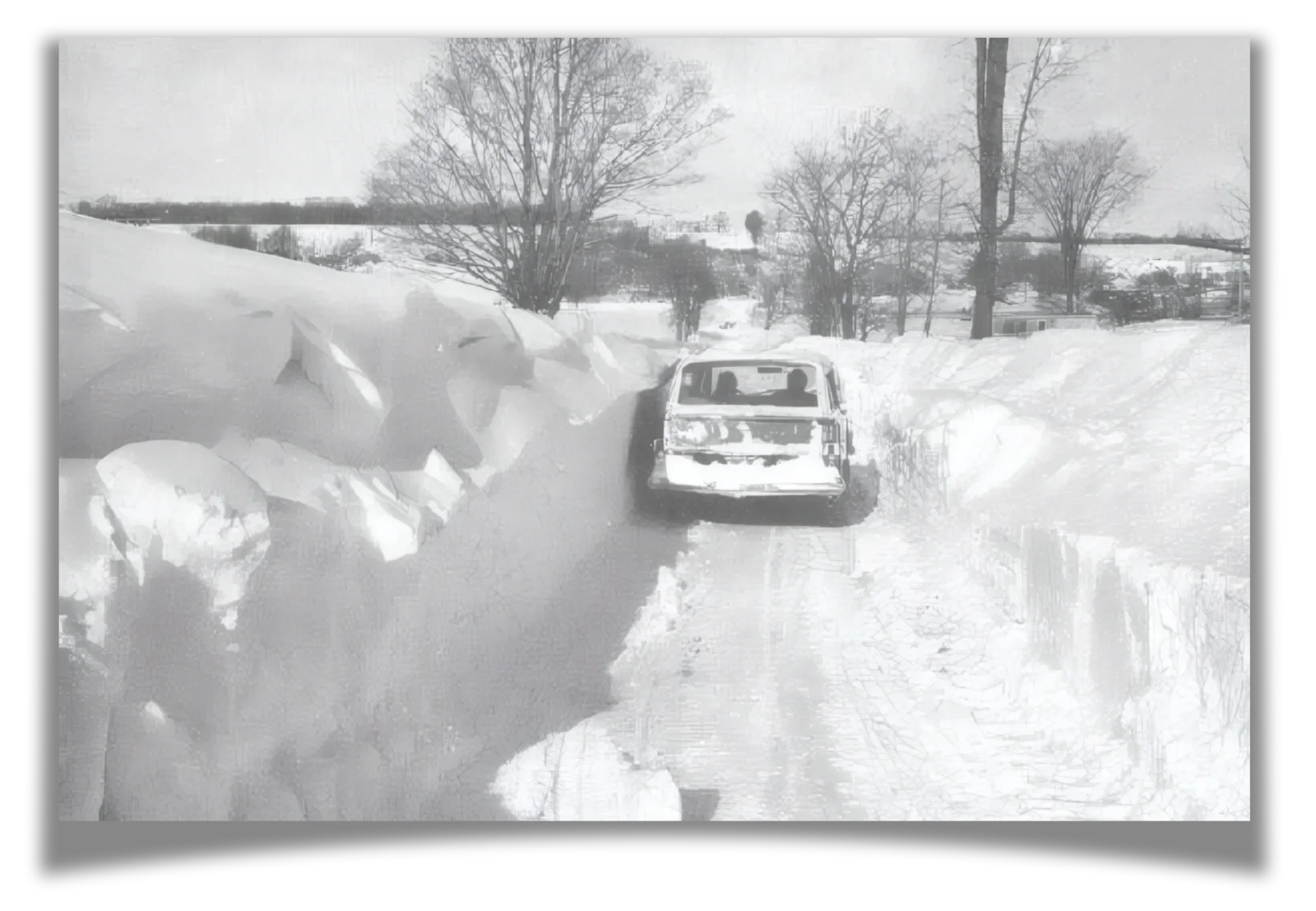
ESWA Responds to Historic Snowstorm that Kills 17
ESWA’s founding year was also the year of the historic 1977-78 Blizzard that coated New Jersey in mountains of snow and endangered the lives of tens of thousands of low-income families, killing 17. On foot with snow sleds, ESWA volunteers delivered 50-pound bags of coal to members’ homes, keeping their heat on. Coal was essential to heating the majority of homes in the Inlet during the winter.
1981
ESWA Member Freezes to Death Blocks from Casino, Spurs Expanded Benefit Campaign
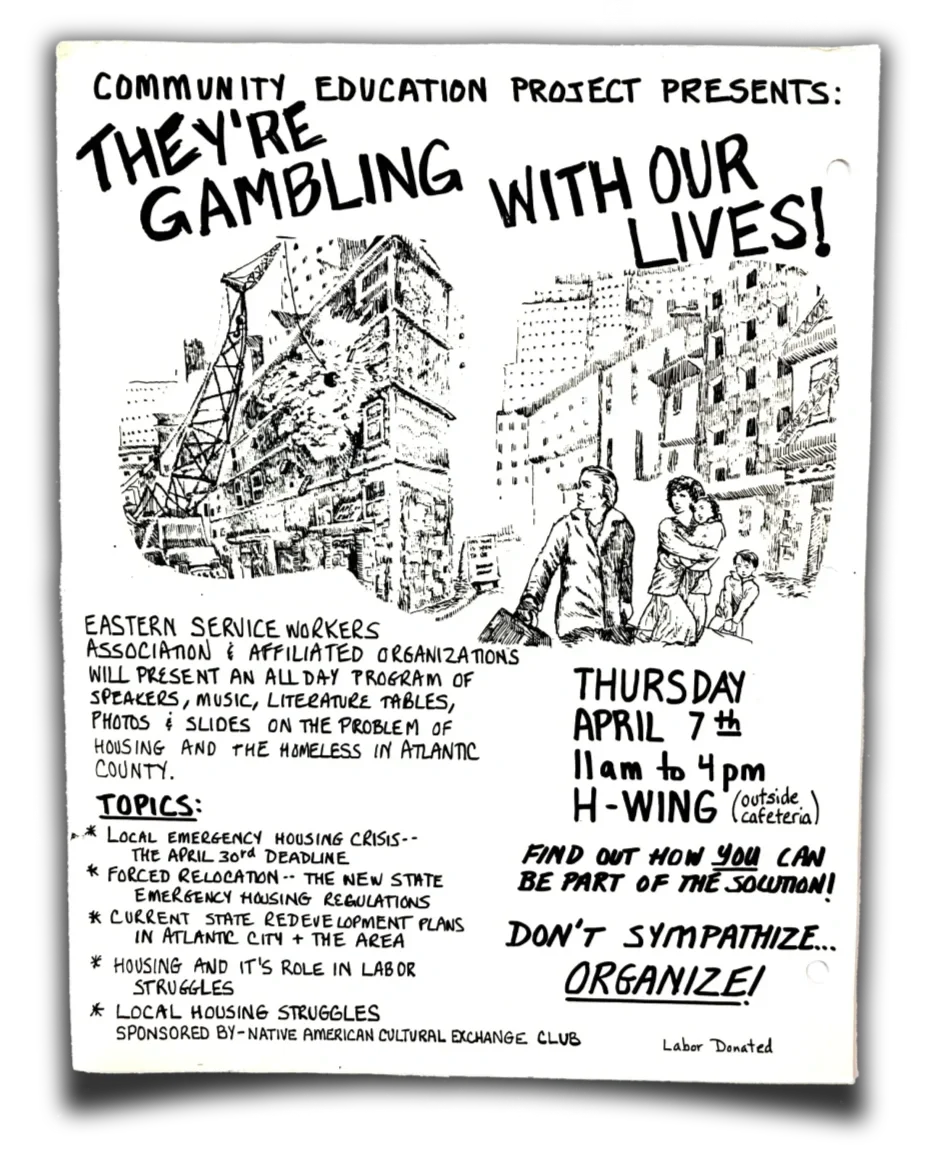
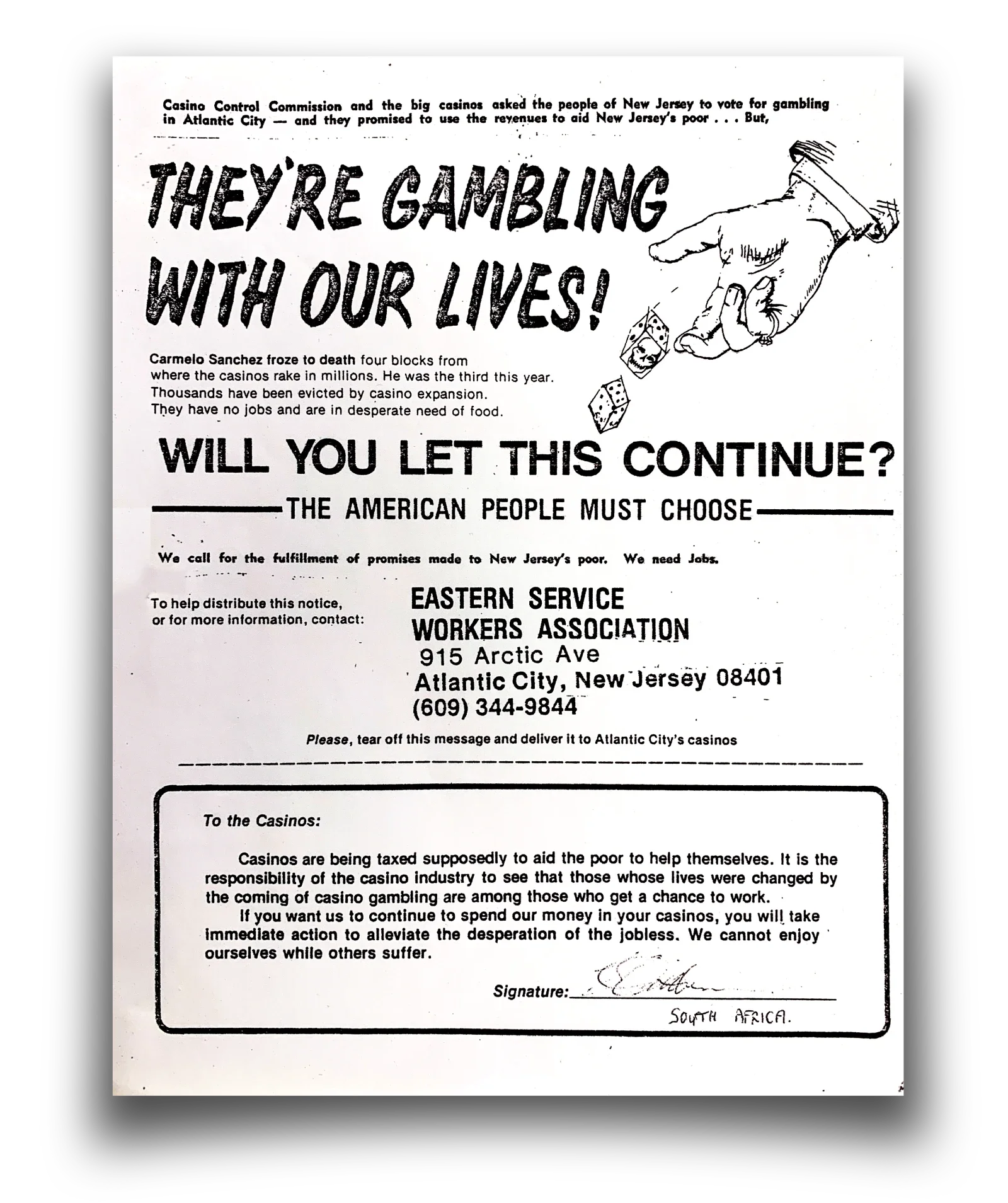
Carmelo Sanchez, a member of ESWA, was found dead of exposure to freezing temperatures in his home just blocks from the glittering lights of Atlantic City’s casinos. ESWA members and volunteers inspired a Winter Survival Campaign, organizing collections and distributions of space heaters and blankets, as well as regular phone calls and home-visits to vulnerable members. ESWA members through their membership council, the South Jersey Workers Benefit Council (WBC), called on the state to use their increased funding from casinos to protect residents, putting out a flyer stating, “They’re Gambling With Our Lives!”

1981
ESWA Organizes Picket Line on Boardwalk
ESWA organized an informational picket line on the Boardwalk in front of Resorts International to demand that the state return tax money to programs for the elderly and poor as they had promised. “They’re Gambling With Our Lives” leaflets featuring a hand throwing dice marked with skulls were distributed. The leafleting spread up and down the east coast at casino bus departure locations and tear-offs were collected and delivered to casino board meetings and to the attention of casino executives so they would assist in pressing the State to fulfill the State’s promises. Picketers at Golden Nugget chanted “Carmelo Shall Not Die In Vain” to publicize that people in the town were literally dying in the face of great wealth – not what was promised with the coming of the casino era.
1984
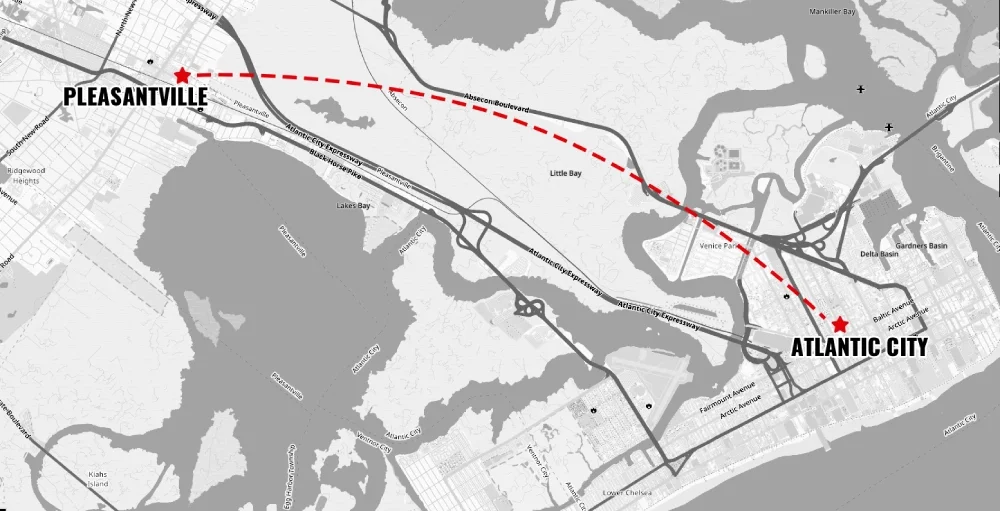
ESWA Moves Office Central from Atlantic City to Pleasantville
In February 1984, real estate speculation was on the rise due to the growth of the casino industry and arsons of properties in low-income neighborhoods primed for redevelopment skyrocketed. Atlantic City saw an 800% increase in arson; there were four fires in ten days in three buildings on ESWA’s block. ESWA’s office was hit by the worst of them and the office was destroyed. The office was well known as a site of relief for hundreds of Atlantic City families in need of clothing, food and other benefits essential to the survival of the city’s poorest residents. Before the end of the year, a new and larger rental property was found at 53 E. Washington Avenue in Pleasantville, NJ, the site that later became the permanent home of ESWA.
1986
Halting Hundreds of Illegal Evictions
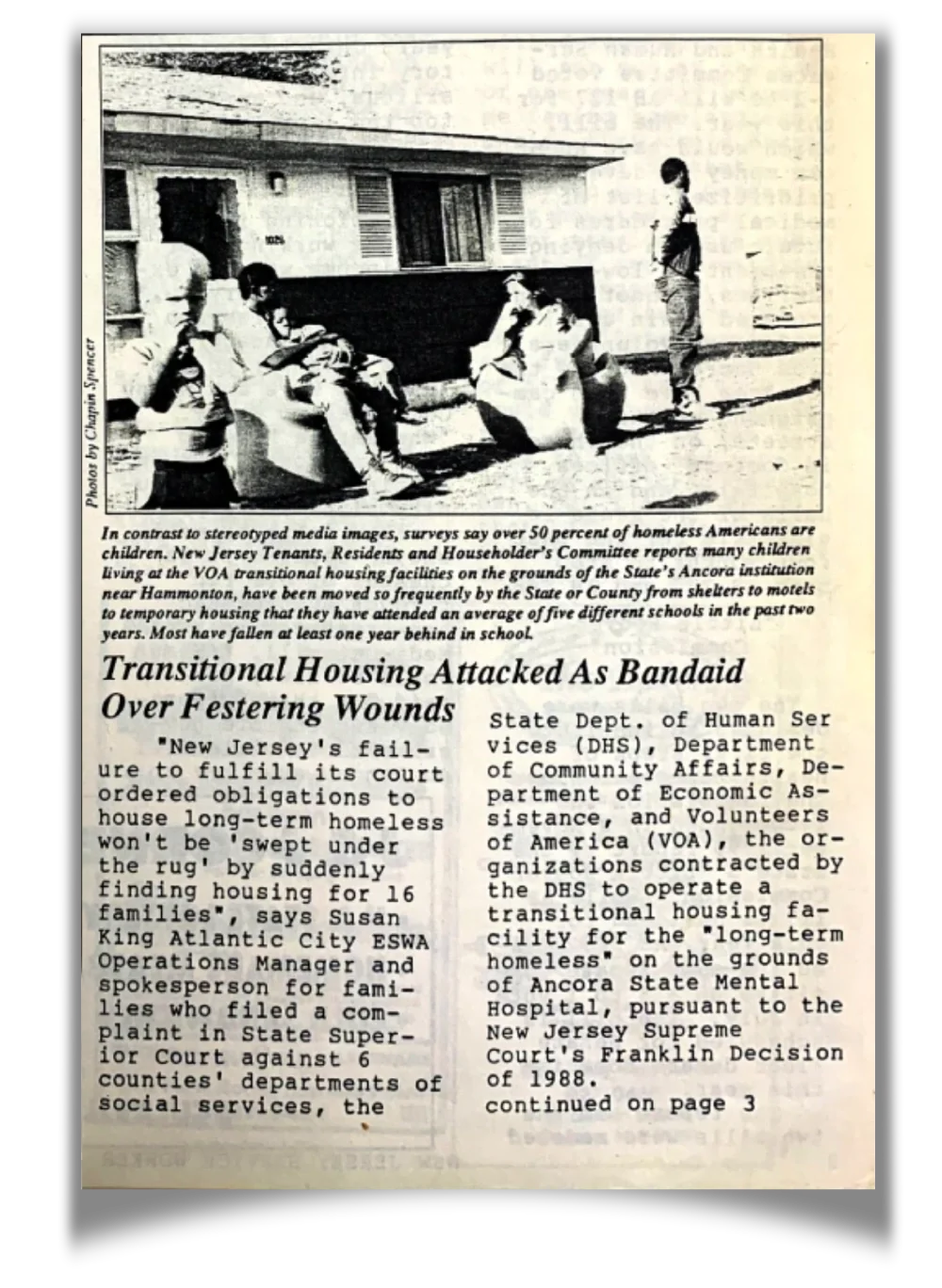
In the ten years since the State of New Jersey had legalized casino gambling, 11 casinos had been built and were fully operational in Atlantic City, drawing in 30 million visitors annually to the city of 40,000. Yet, in 1986, ESWA saw a wave of evictions as casinos drove up property values and drove out local residents. ESWA members and volunteers organized volunteer attorneys and community residents to support low-income tenants facing evictions including subsidized apartment complexes being shut down due to poor maintenance and lack of funding, showing state promises about casino revenue going into housing were a sham. At English Creek Cabins alone, ESWA fought and won a legal fight that saved 25 families from eviction. Hundreds more were either able to stay in their homes or receive settlement payments as a direct result of ESWA’s advocacy. Many of these court fights lasted for years into the next decade.
1987-1996
THE SECOND DECADE
Building Upon Success
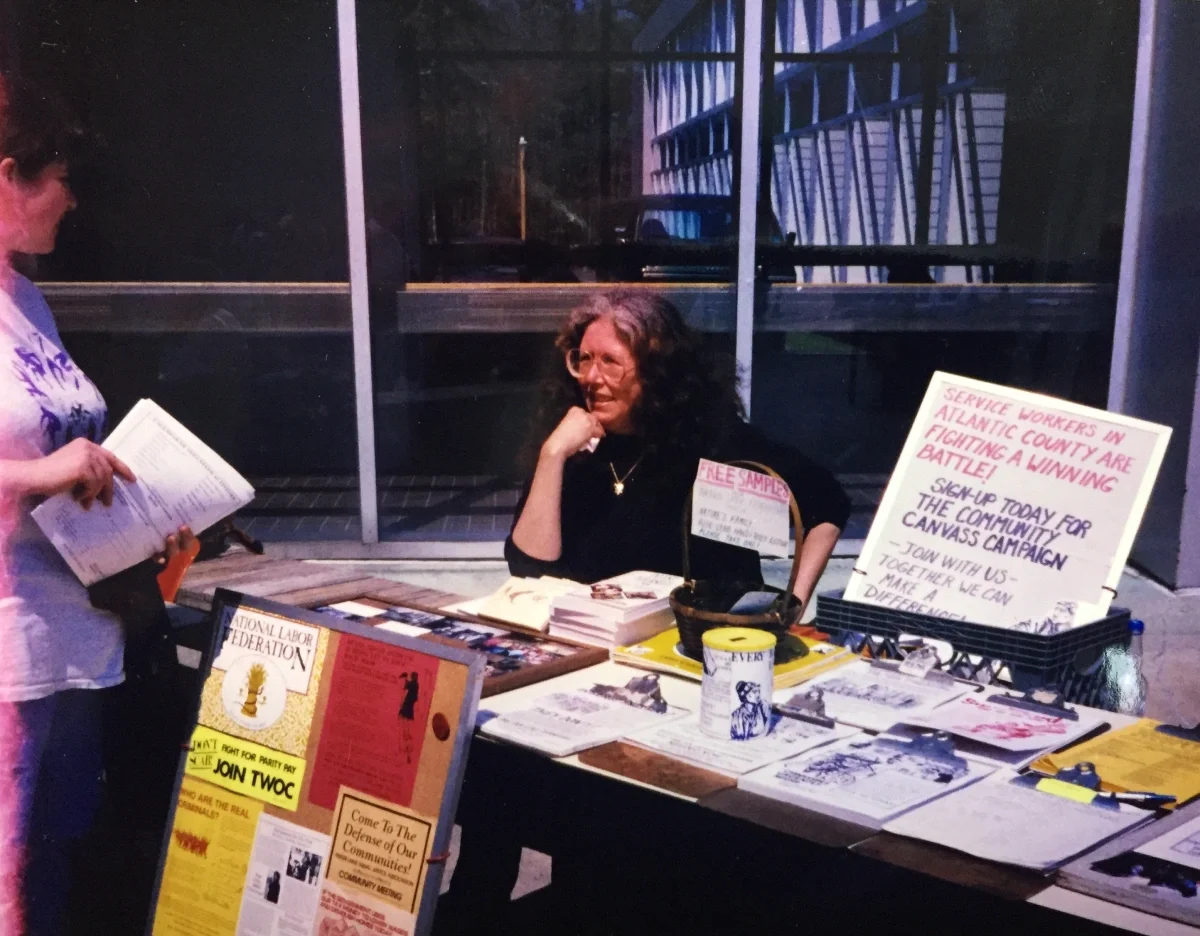
The tenor of ESWA’s second decade was set by the first: a battle to hold the state accountable on its use of gambling revenue, unrelenting housing fights to prevent homelessness and a full-court-press to expand ESWA’s 11-point Membership Benefit Program that saved the lives of countless ESWA members.
1991
ESWA Expands Medical Benefit as State Scapegoats Welfare Recipients
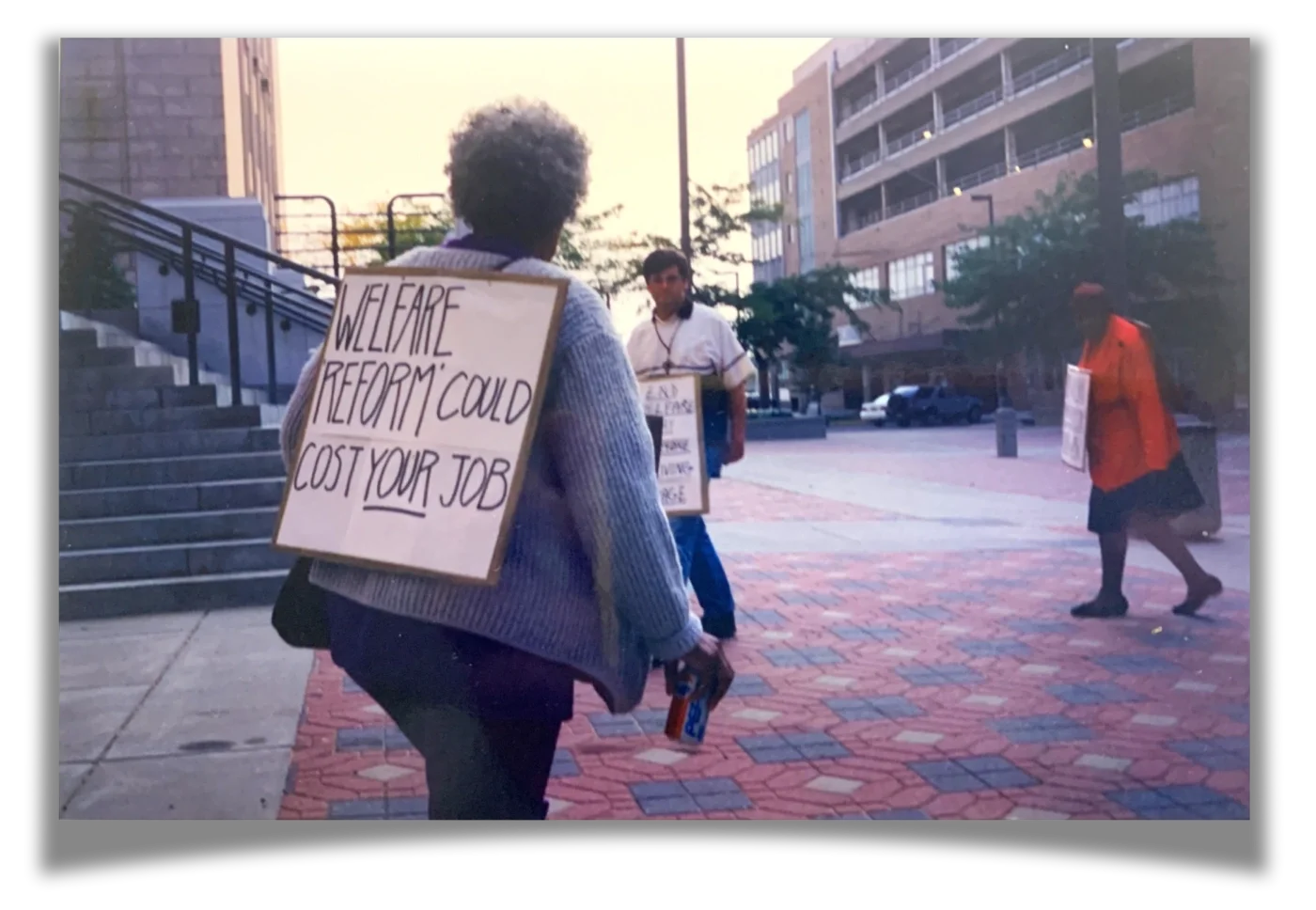
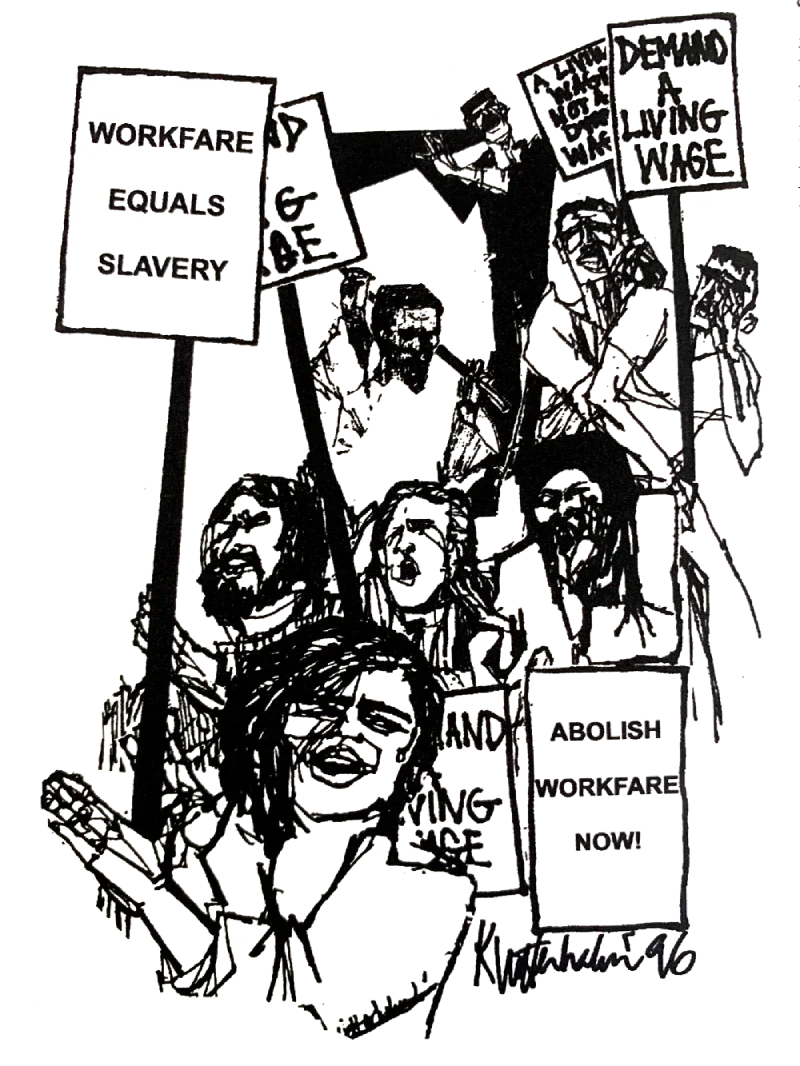
ESWA members, working through their membership council, the Workers Benefit Council (WBC), attended public hearings as politicians were producing the Work First New Jersey program to install “workfare,” a government so-called “welfare reform” that mandated welfare recipients to work for private companies for free in order to receive their state welfare assistance. The WBC put forward their demands: “We don’t want welfare or workfare, we want living wage jobs and affordable housing!” Assemblyman George J. Otlowski, chairman at one of the committee hearings, made the government’s position clear: “That’s utopian. It will never happen.” The program resulted in thousands of eligible families being removed from Medicaid. In response, ESWA members recruited physicians and other medical professionals to run two general medical sessions a month.

1995
Save Our Cities Committee Takes on Corporate Welfare
ESWA organizers led an education campaign around Pleasantville’s designation as a corporate Enterprise Zone. These zones designate poor areas for so-called “Urban Renewal,” bringing in large corporations through tax breaks, reduced environmental regulations and relaxed labor laws. ESWA organizers called the program “urban removal" because it displaced existing low-income families and compared it to similar policies used by third world countries to make their desperately poor workforce available for international corporations. Finding many allies in the small business community who were not going to benefit from these policies, ESWA expanded its regular distributions of food and clothing by opening two Benefit Offices in Atlantic City.
1997-2006
THE THIRD DECADE
Deepening Our Roots
After decades of struggle, ESWA takes the big step of establishing a permanent home for ESWA’s Office Central, gaining a Benefit Office in the process and sparking an excitement amongst members that carried ESWA through the decade.
2002
Establishing a Permanent Office
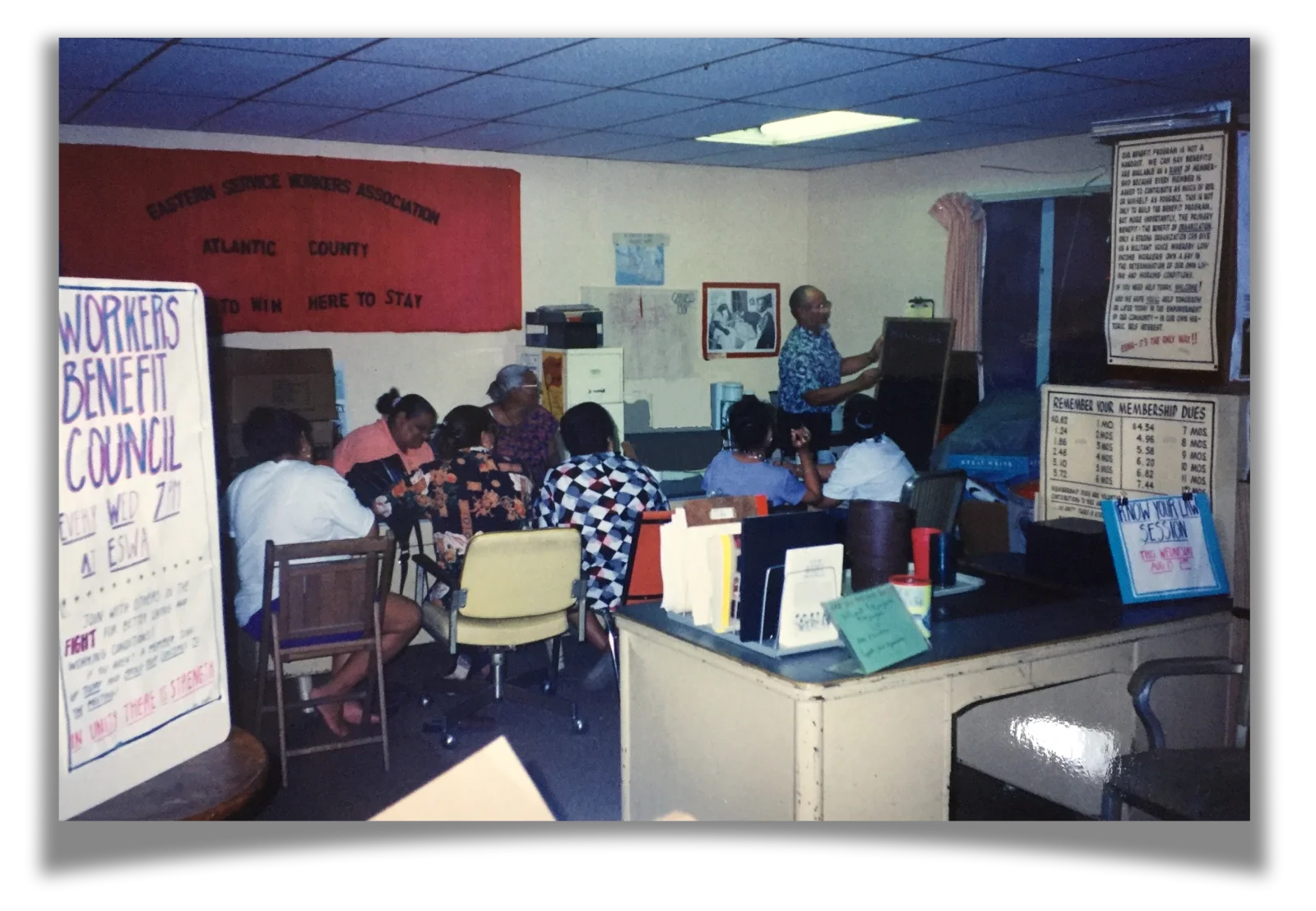
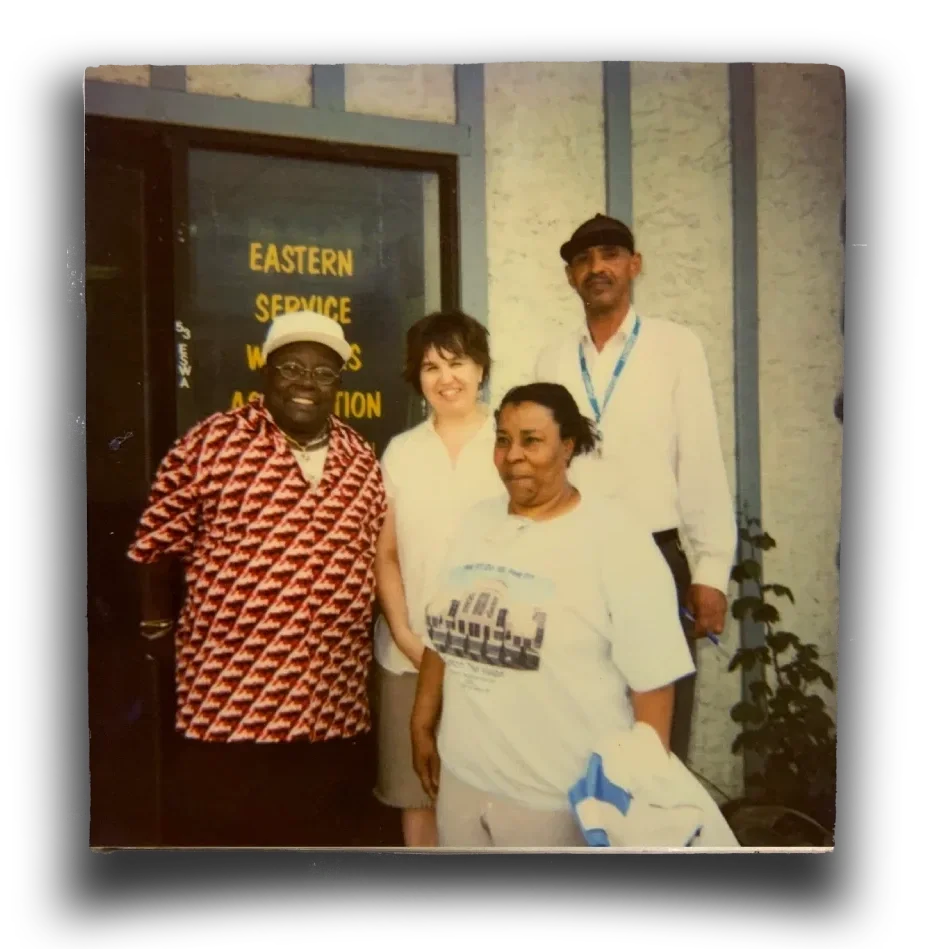
After decades of renting, ESWA secured a permanent office central at 53 E. Washington Avenue in Pleasantville, where ESWA had been located since 1984. This massive addition of space completely changed the dynamic of what ESWA could do, and after much renovation, this space proved critical to seasonal holiday food distributions, medical education and information sessions, legal advice sessions and membership meetings. The list continues to grow as the renovation continually progresses. In the early 2000’s, many new supporters, local businesses and churches, stepped up to enable this growth.
2007
Calling for the CRDA to Fulfill its Mandate on Health
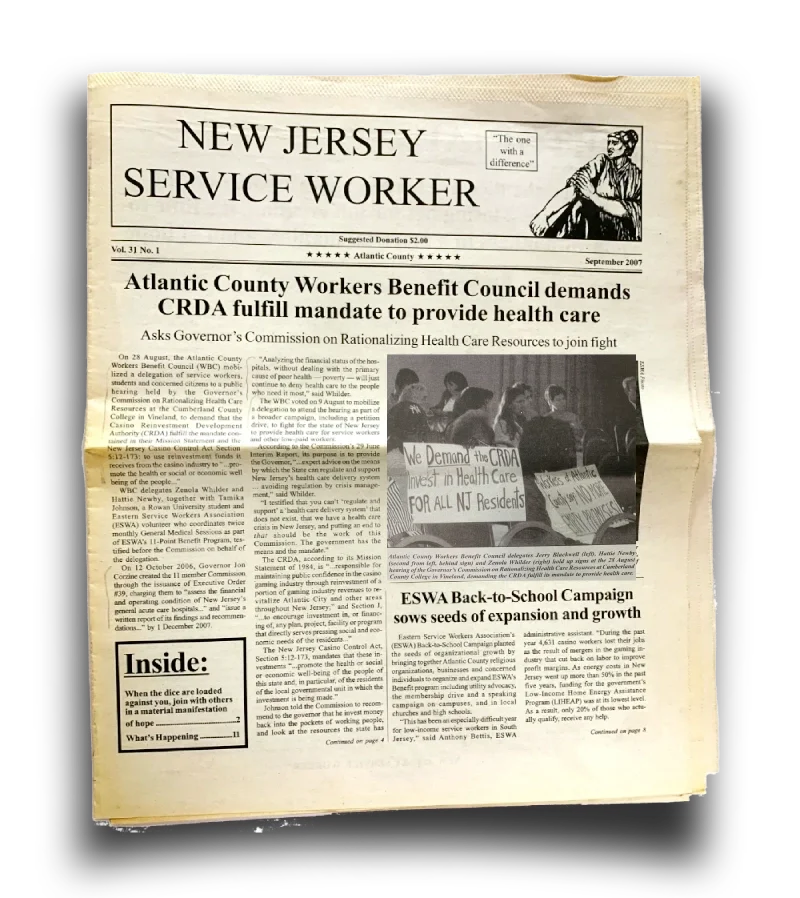
In 2007, ESWA’s General Medical Sessions filled twice as many requests as previous years, in part due to 4,608 casino workers losing their jobs and therefore their benefits due to industry mergers and the installation of machines that replaced workers. In back-to-back hearings held in 2007 and 2008, members of the WBC mobilized other service workers and concerned students to call for the Casino Reinvestment Development Authority (CRDA) to fulfill its mandate contained in their Mission Statement and the New Jersey Casino Control Act Section 5:12 -173: to use reinvestment funds it receives from the casino industry to “… promote the health or social or economic well being of the people…”
2007-2016
THE FOURTH DECADE
ESWA Responds to The Great Recession and Hurricane
Much of the fourth decade was defined by two major events: the banking crash of 2008 and Hurricane Sandy in 2012. These two events culminated in 2014 with the closure of four of Atlantic City’s 12 casinos, eliminating more than 8000 jobs. The ESWA landmarks herewithin only touch the surface of the daily work of ESWA volunteers and members did to respond to these disasters.
2011
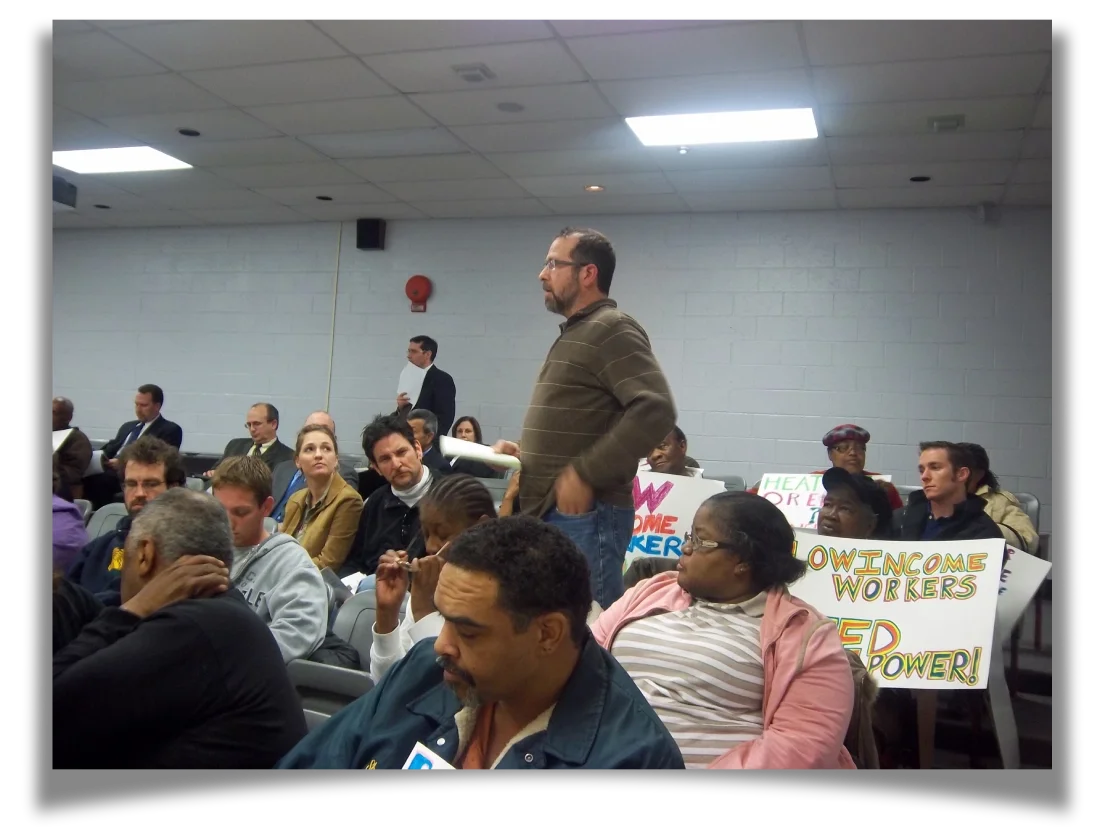
Compelling a State Board to Cut Rate Hike by $45 Million
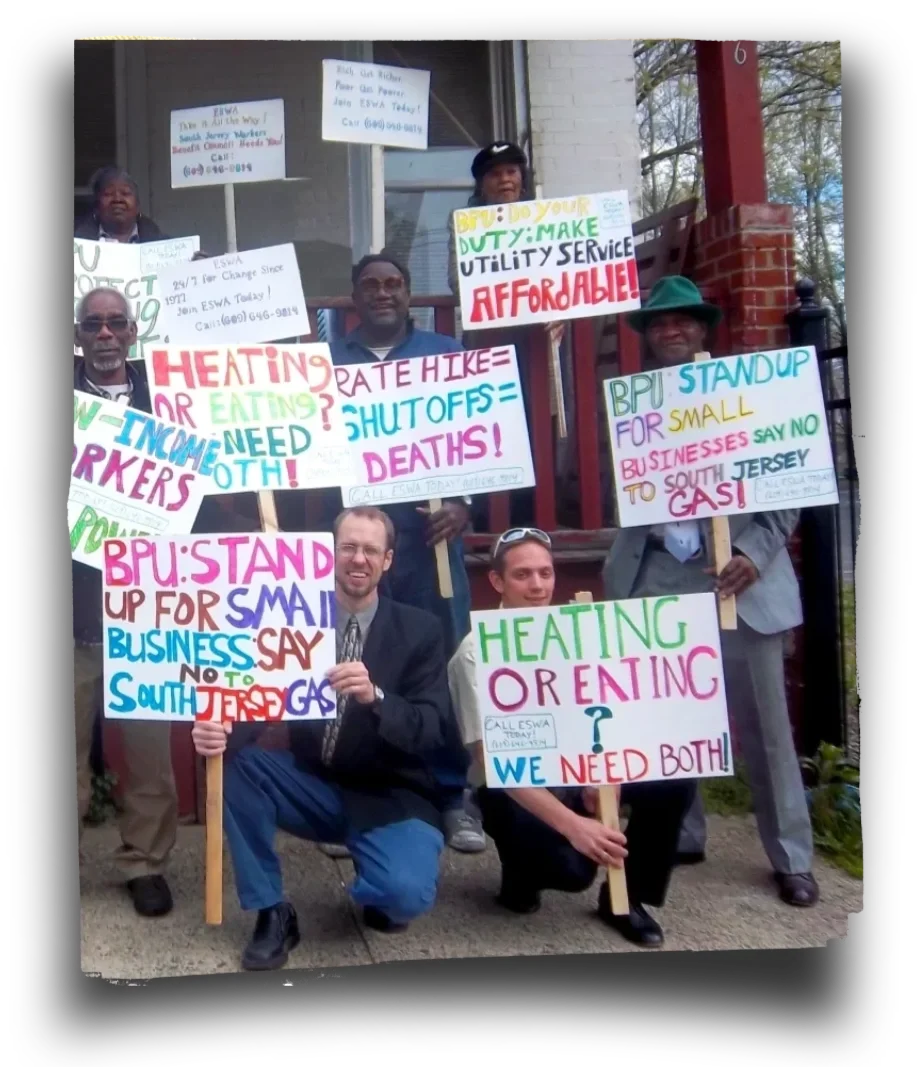
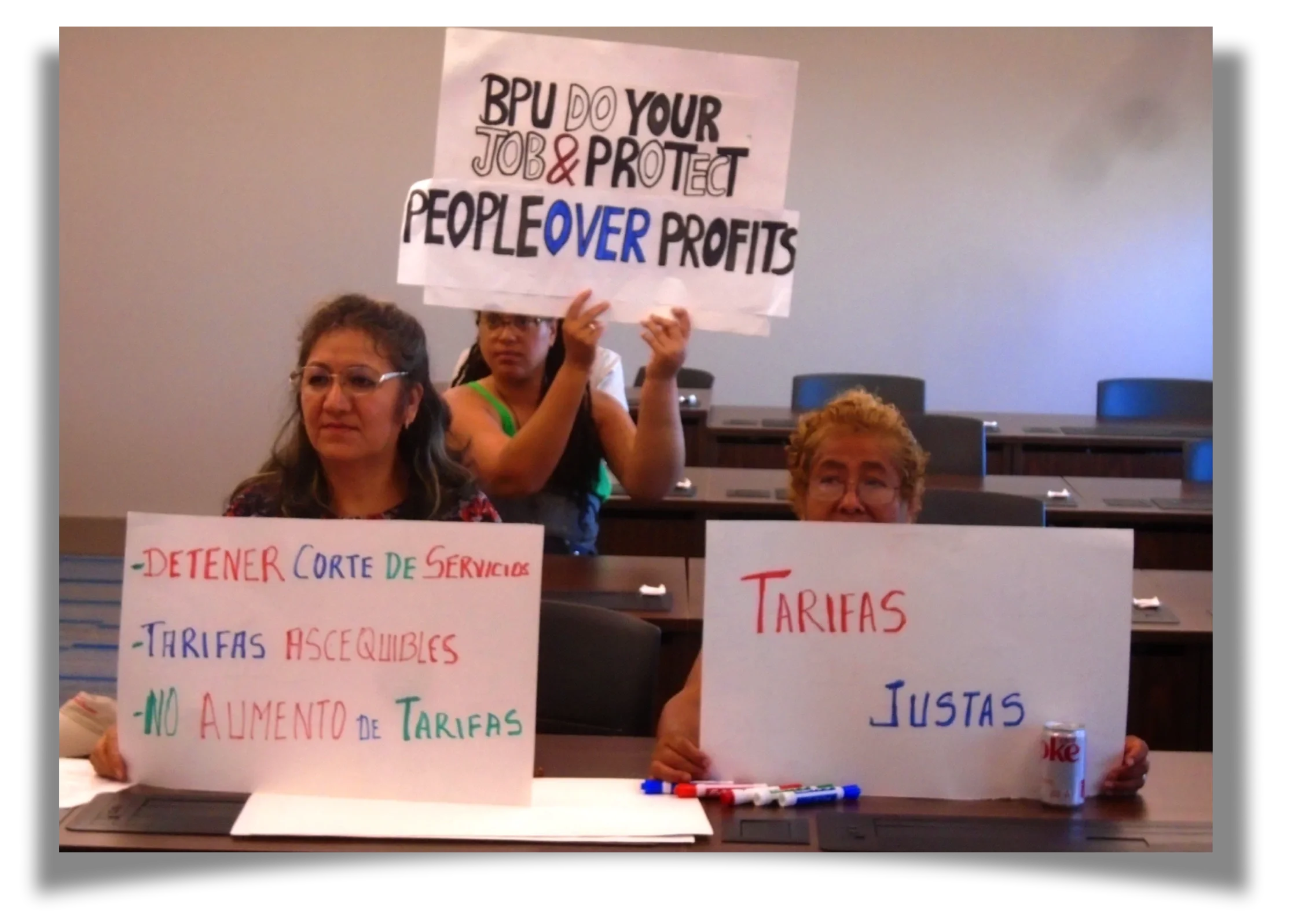
After attending multiple hearings and turning in thousands of signatures, the WBC declared a victory in 2012 after the Board of Public Utilities reduced Atlantic City Electric’s request for a rate hike by $45 million, which was a 50% cut from the $90 million the utility company asked for.
2012
Leaping Into Action During Superstorm Sandy
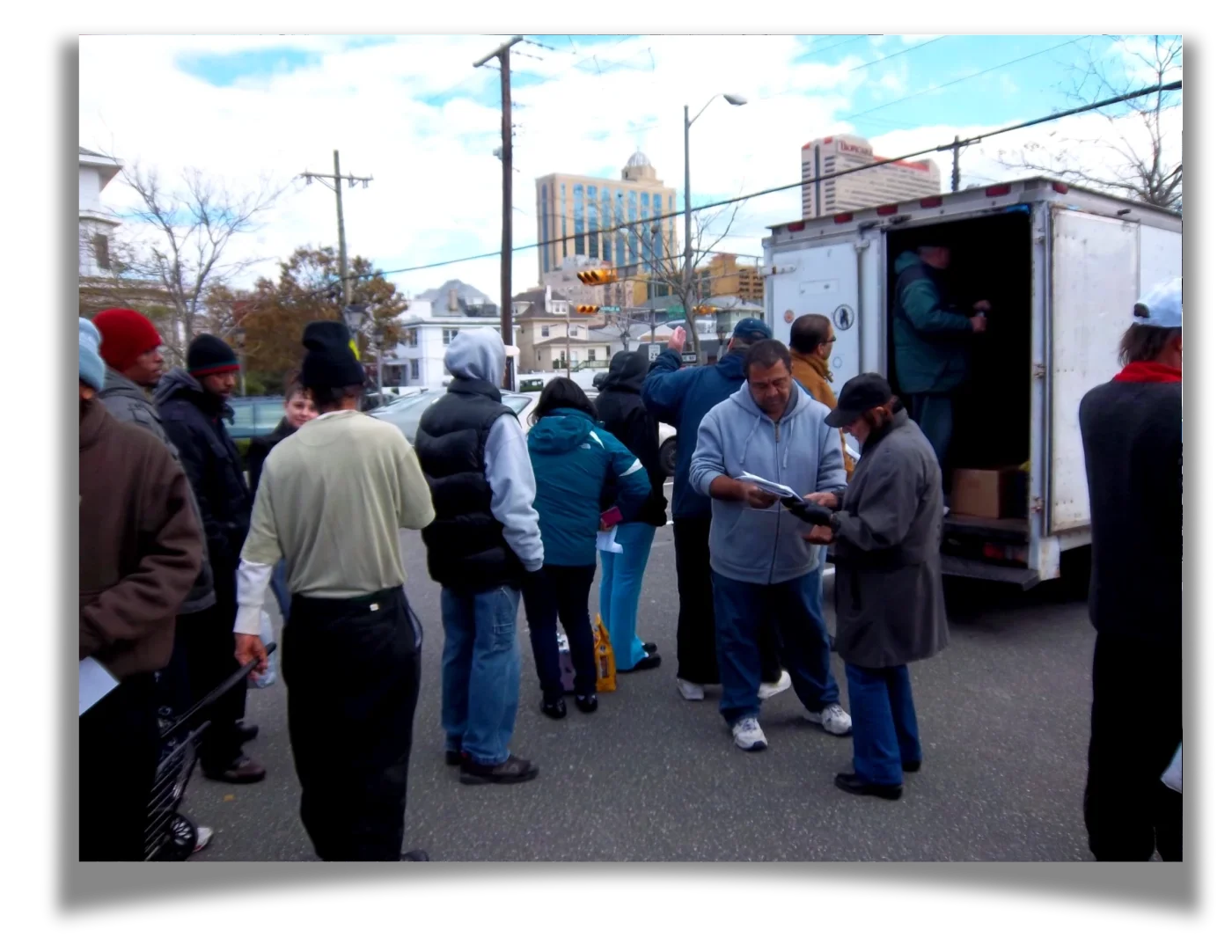
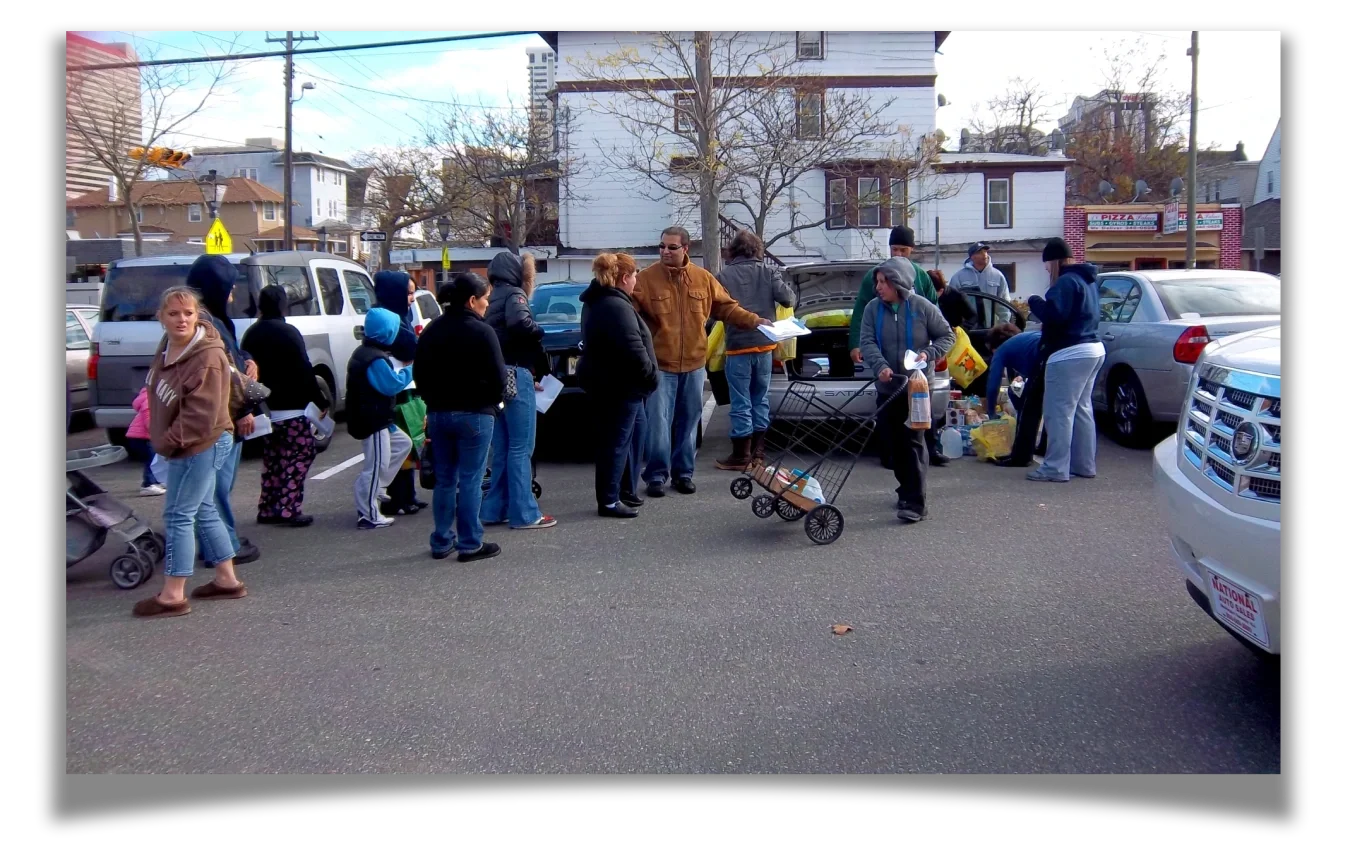
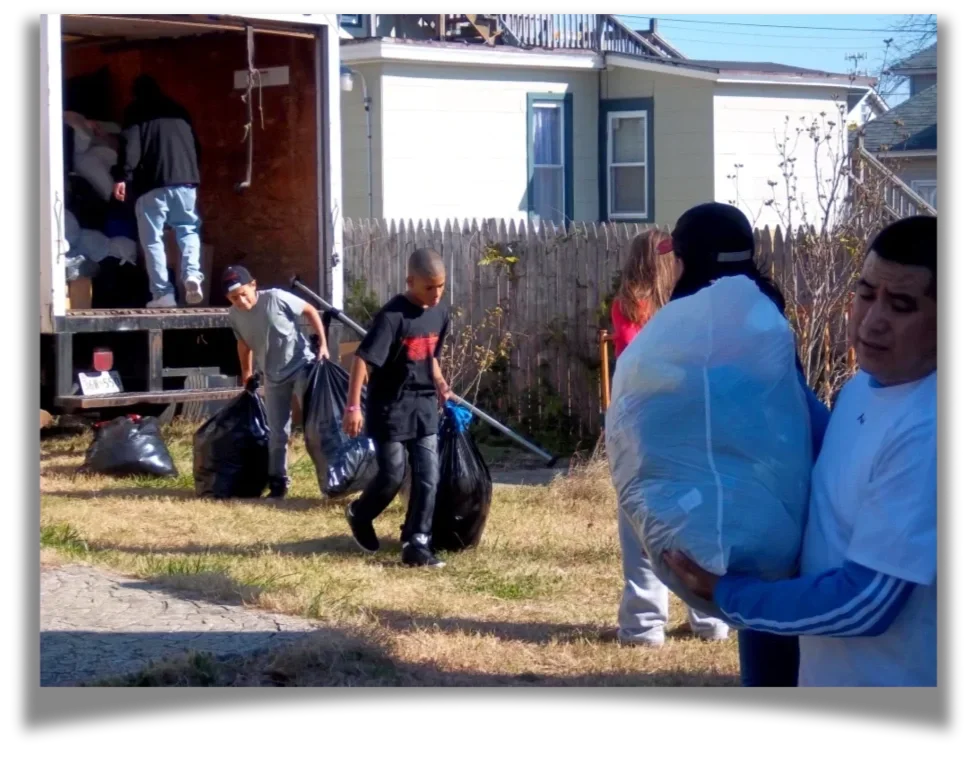
ESWA was one of the first organizations on the scene after Superstorm Sandy and never left. Disasters that destroy homes and close down economic life are not events that start and stop in neatly organized stories, but persist on in the lives of the most vulnerable who often never fully recover. We knew from past experience that the federal aid, and the various attached agencies, were usually last to arrive and first to leave, and that if low-income service workers were going to recover from the hurricane it was going to require the collective action of an organized community fighting FEMA benefit denials, delivering immediate aid and giving people the material hope of organization that inspires persistent action.
CLIMATE CHANGE HITS LOW-INCOME FAMILIES FIRST AND HARDEST

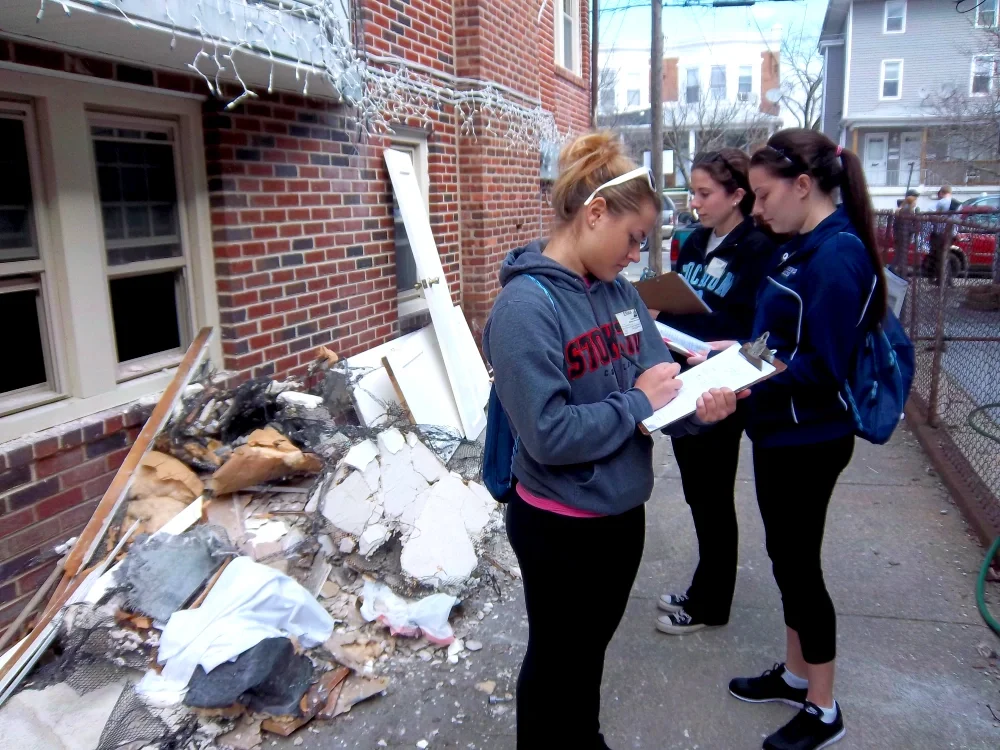
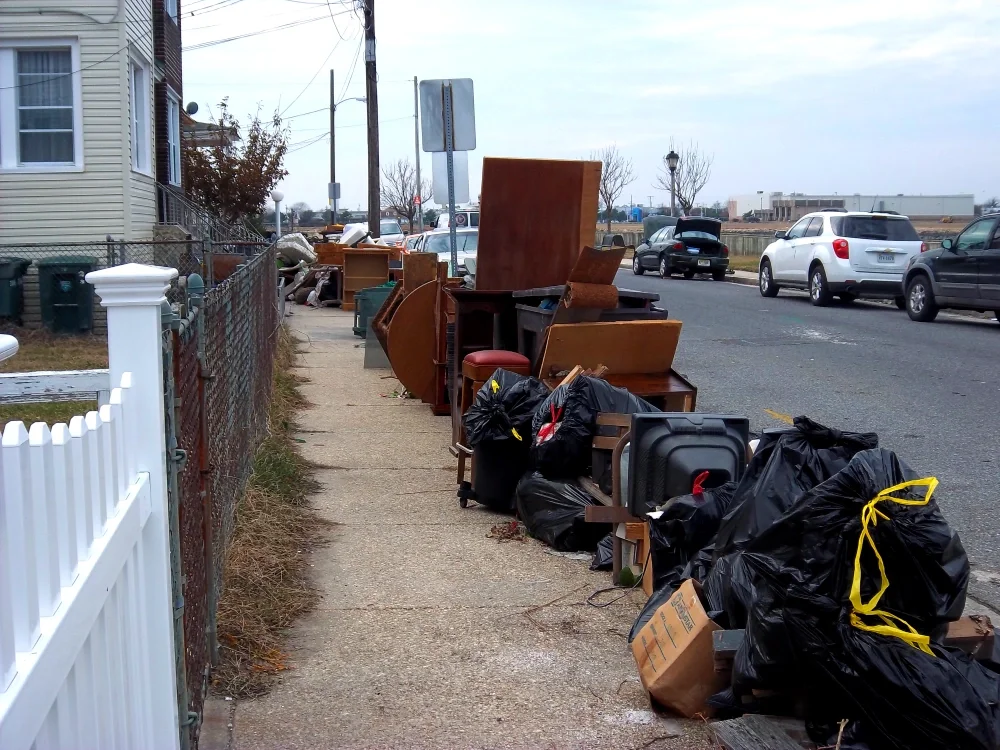
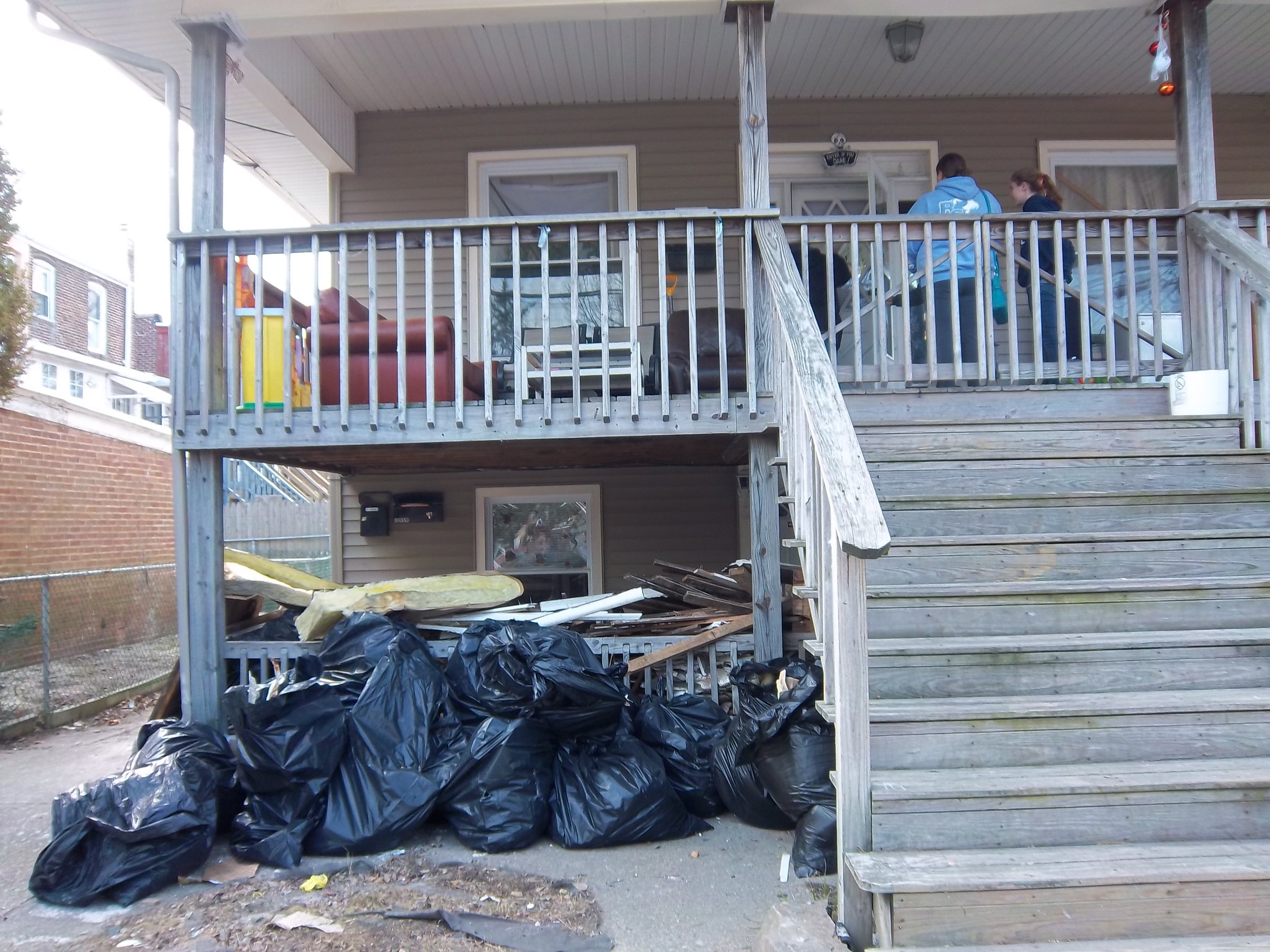
Superstorm Sandy made its devastating landfall on the Jersey coast. Nearly half of Atlantic City's 11,000 residential units sustained serious damage from the storm - the most of any municipality in the state. The day the Atlantic City bridges opened to incoming traffic, the ad hoc South Jersey Disaster Relief Unit (DRU), formed by ESWA members and volunteers, filled over 125 requests from disaster victims for food, blankets, hygiene products, cleaning supplies and warm clothing. Each day after, the DRU filled hundreds more, in one day filling more than 300 benefit requests. In the months following, hundreds of volunteers joined the DRU, running door-to-door canvasses in hard-hit neighborhoods to find disaster victims, making phone calls to organize donations of resources, doing advocacy to fight benefit denials and distributing supplies from the parking lot of the Sovereign Avenue School in Atlantic City. ESWA established a second Benefit Office along Brighton Avenue in Atlantic City, facilitating further growth. From the onset, advocates began working with members to write appeals to state and federal agencies that had denied funds to repair homes that sustained damage from the storm, winning tens of thousands of dollars for dozens of residents across the Jersey Shore to make their homes livable again.
On October 29th, 2012…

125
Benefits Filled on the First Day
+200
Number of Volunteers
+$50,000
Sandy Relief Won for Home Repairs
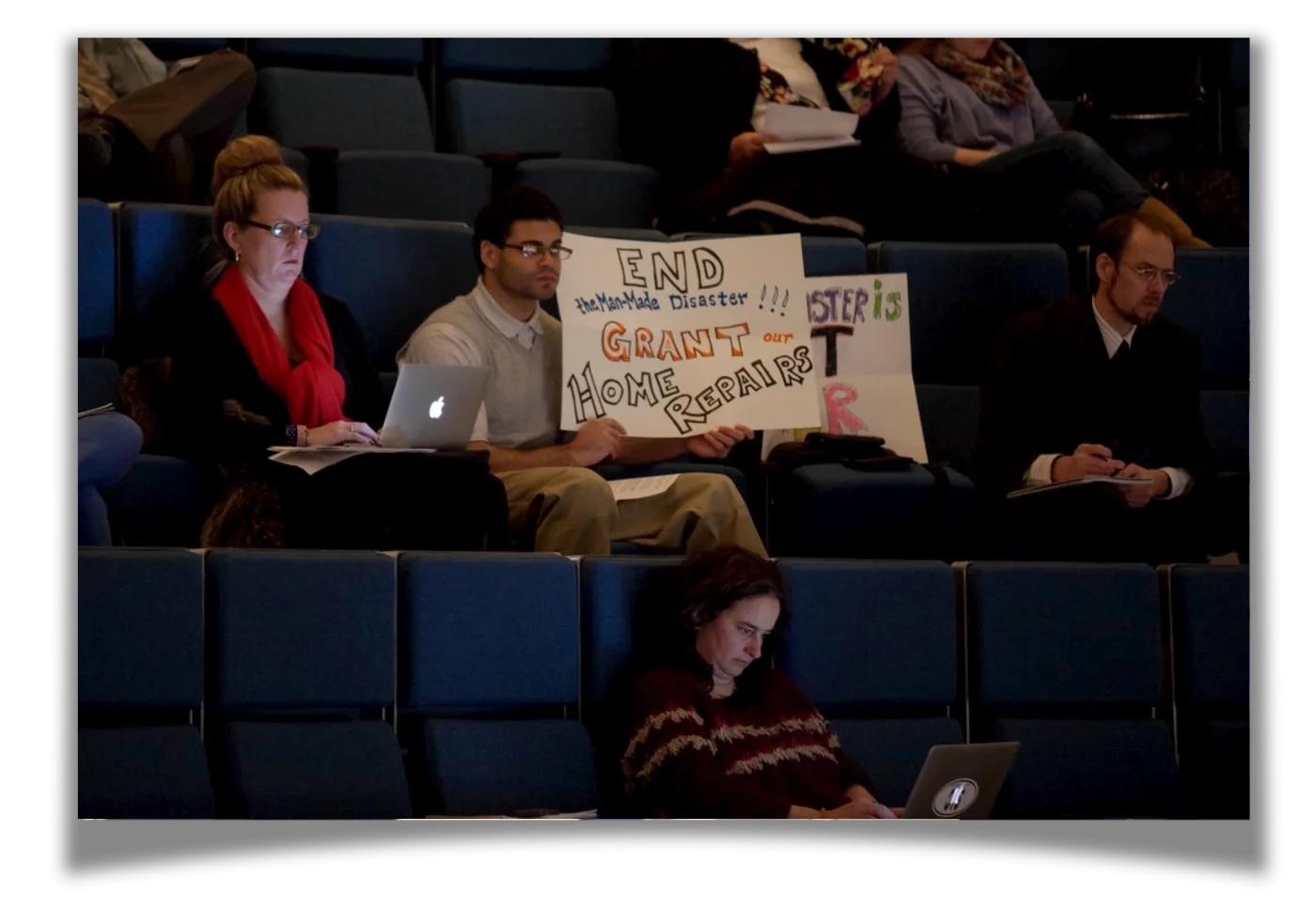
THE DAMAGE TO OUR CITY
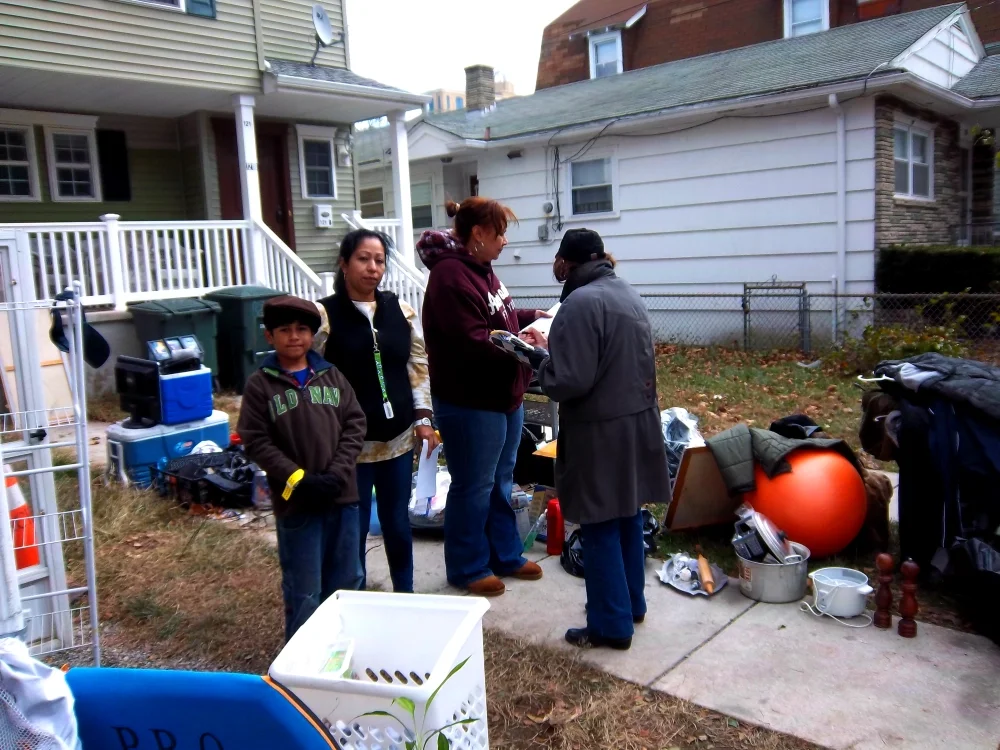
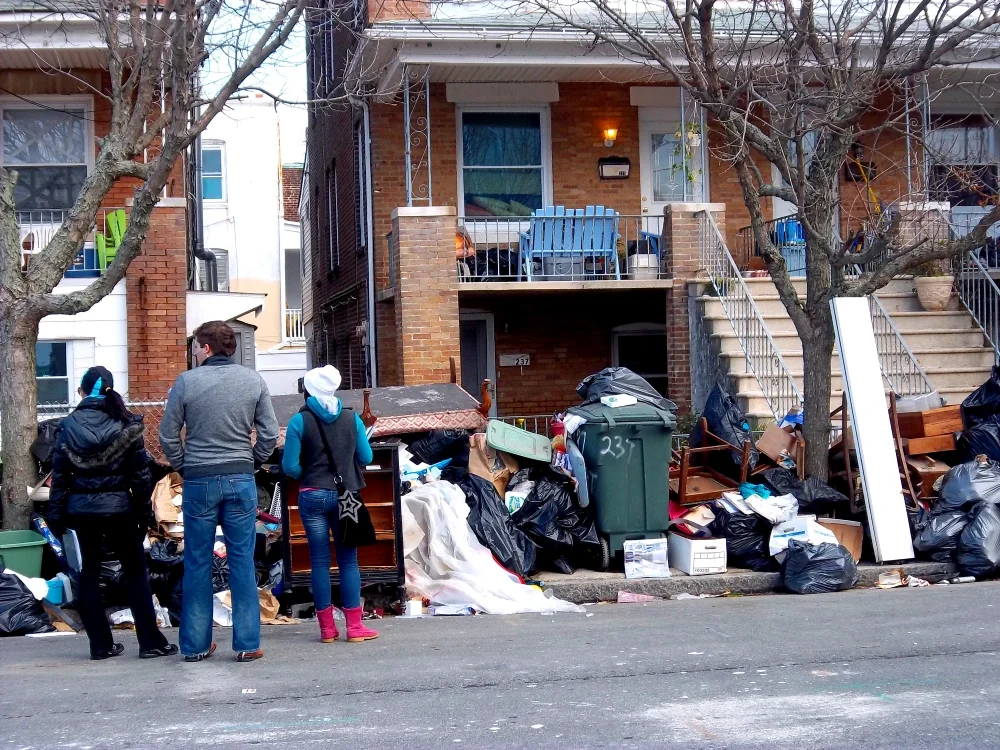

2017-2026
THE FIFTH DECADE
ESWA Responds to COVID-19
The international COVID-19 pandemic beginning in 2020 not only endangered the lives of South Jersey’s service workers, who are unable to work remotely, but reduced the seasonal tourism economy to zero. ESWA never shut its doors and built a historic response.
2017
Preventing the Privatization of Atlantic City’s Water System
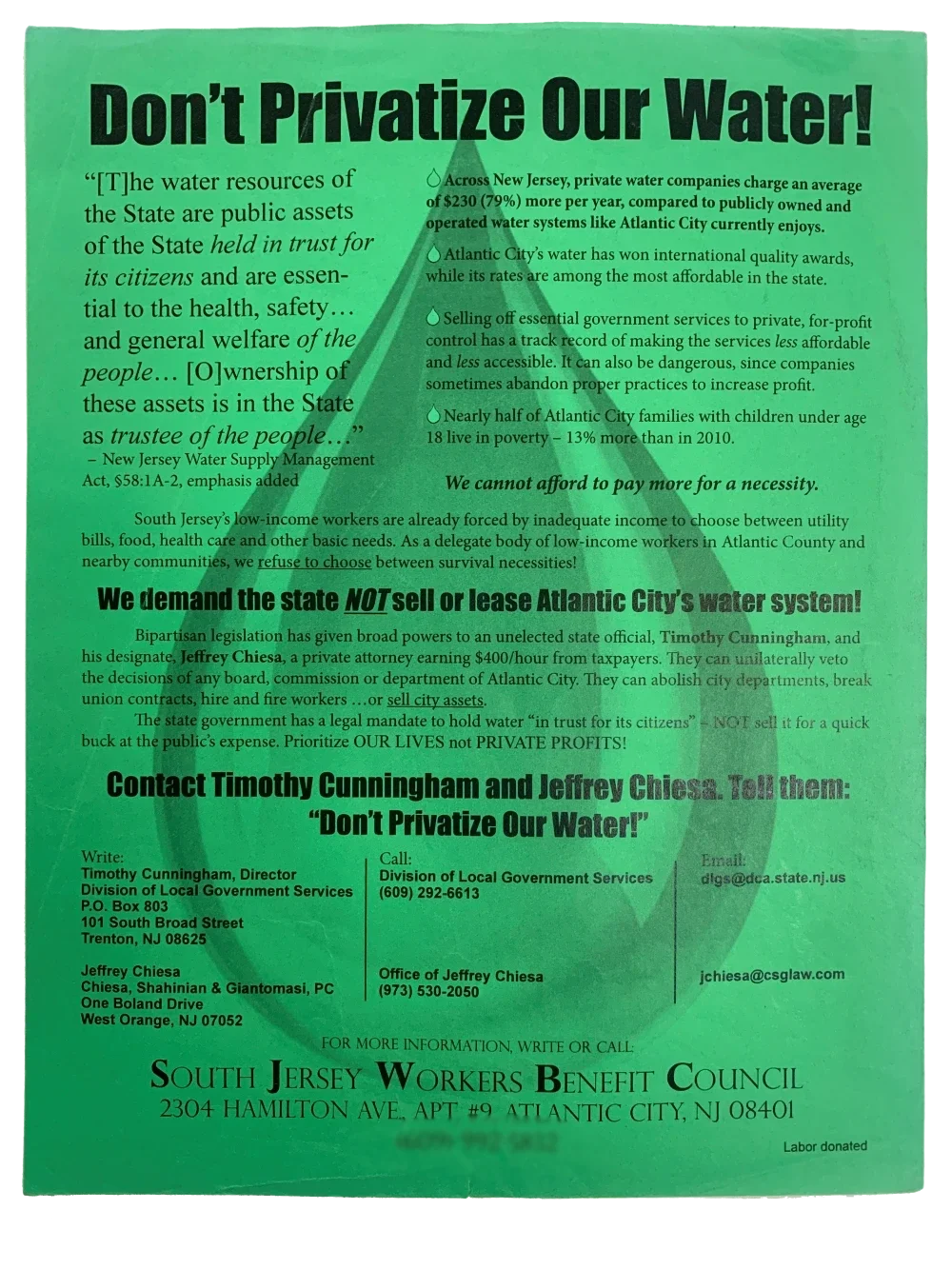
After decades of broken promises to Atlantic City, in November 2016 the State of New Jersey formally seized control of Atlantic City’s local government, giving the state government the authority to make or break union contracts, manage assets including the city’s Municipal Utility Authority (MUA) and veto decisions of city council. When the state entity managing Atlantic City then spent $1.5 million for ‘research, legal analysis and meetings related to the city’s MUA,’ the WBC inspired a series of membership house-meetings, speaking engagements and business canvasses to publicize their concerns about the state’s sale of their city’s valuable water system to a private entity. The WBC organized hundreds of phone calls, emails and postcards from concerned small businesses, students, parishioners and others directed to the state officials responsible for dictating the finances of Atlantic City, and the state formally responded, agreeing to back down.
2020
ESWA Responds to COVID-19 Pandemic
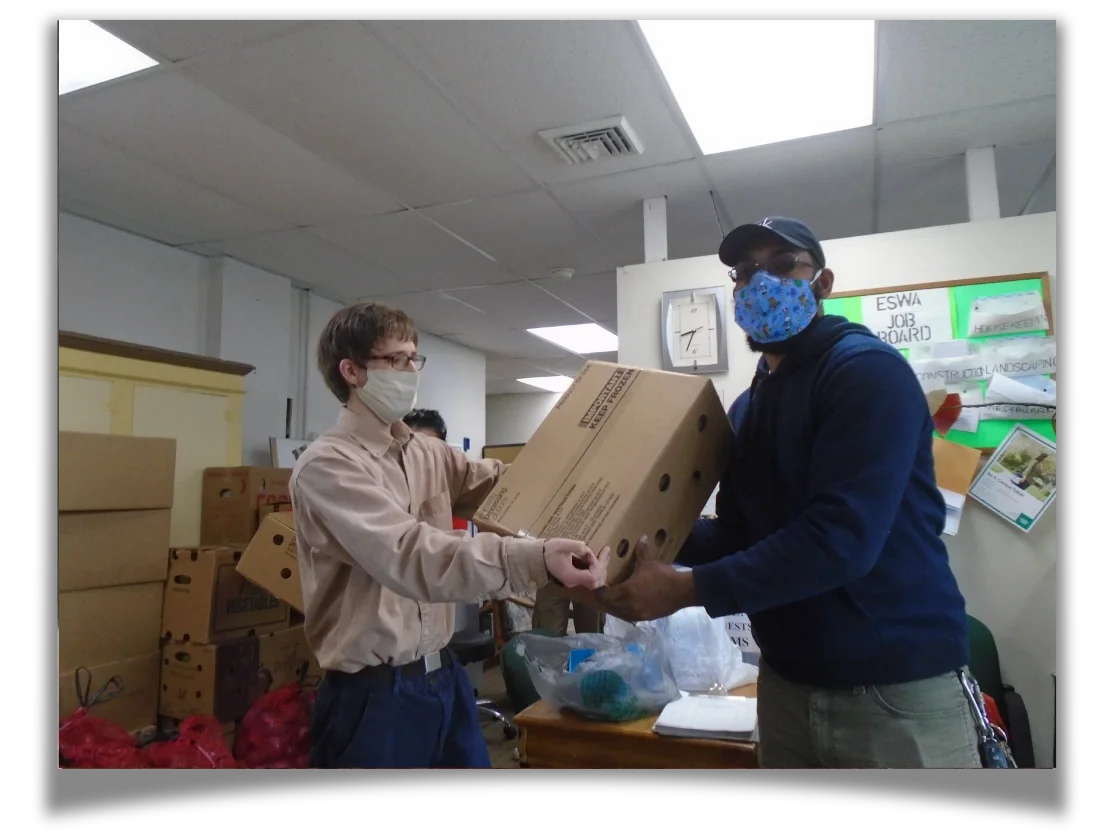
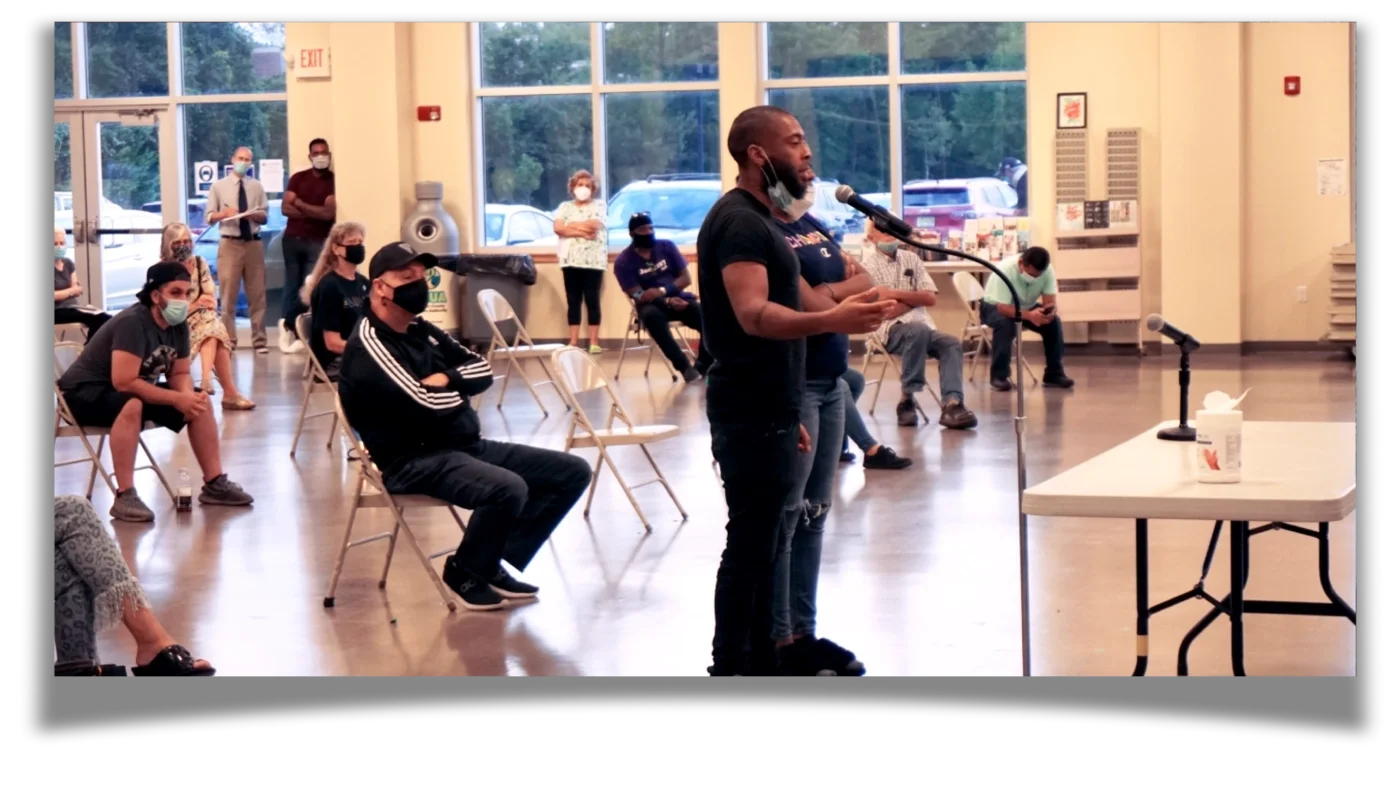
In a community that thrives on in-person gambling and tourism, the Atlantic City area and its most vulnerable workers had record unemployment, difficulty acquiring food and a greater exposure to the deadly COVID-19 virus. In response, ESWA’s office remained open every day, without exception, so volunteers could organize relief efforts. These included daily phone trees to members, additional food collections and distributions to fill record numbers of requests and advocacy for those who lost their jobs. ESWA stopped dozens of illegal evictions, even winning thousands of dollars in relocation costs for those forced out of their homes.
2023
Pushing State for Affordable Rates
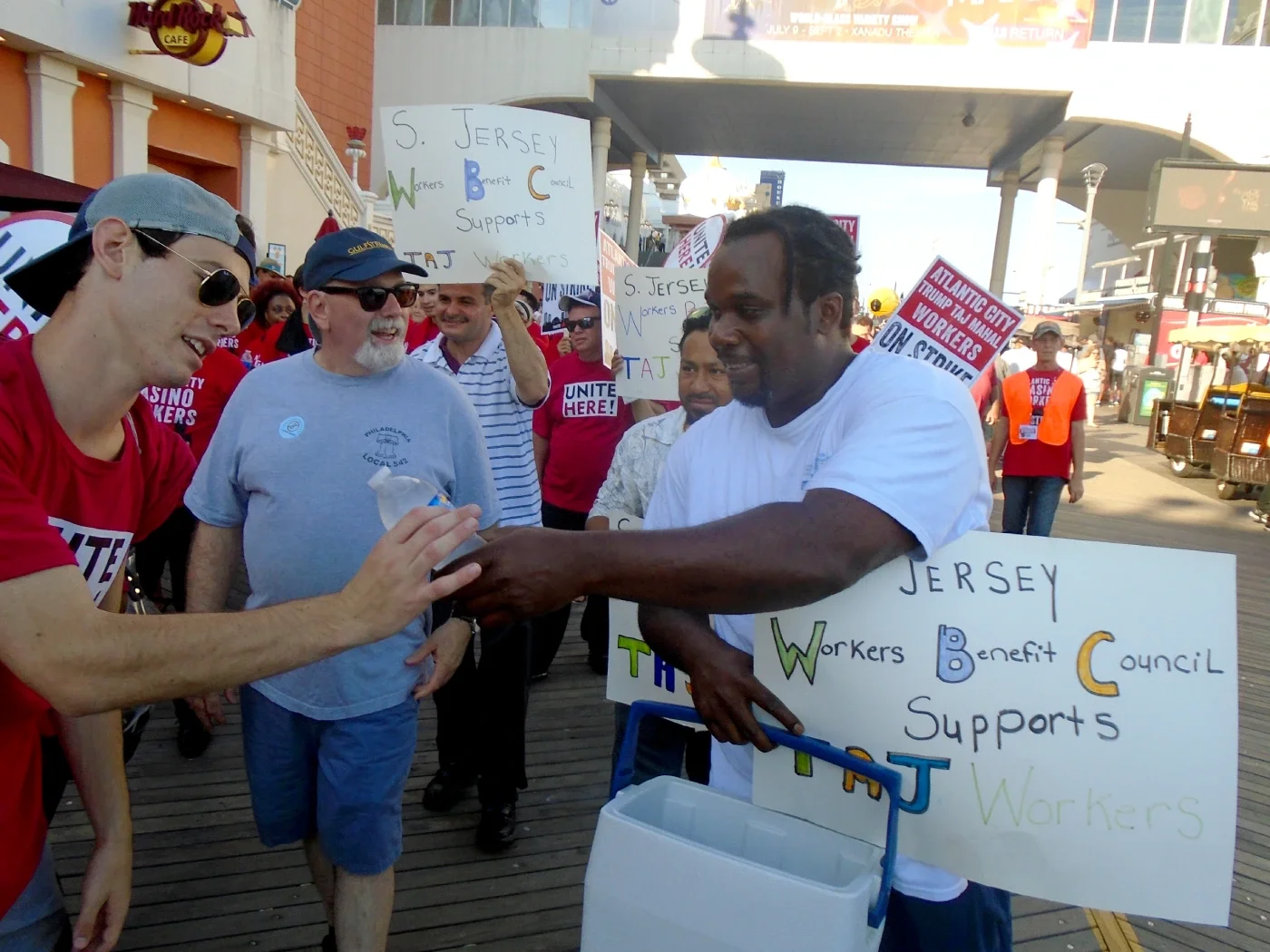
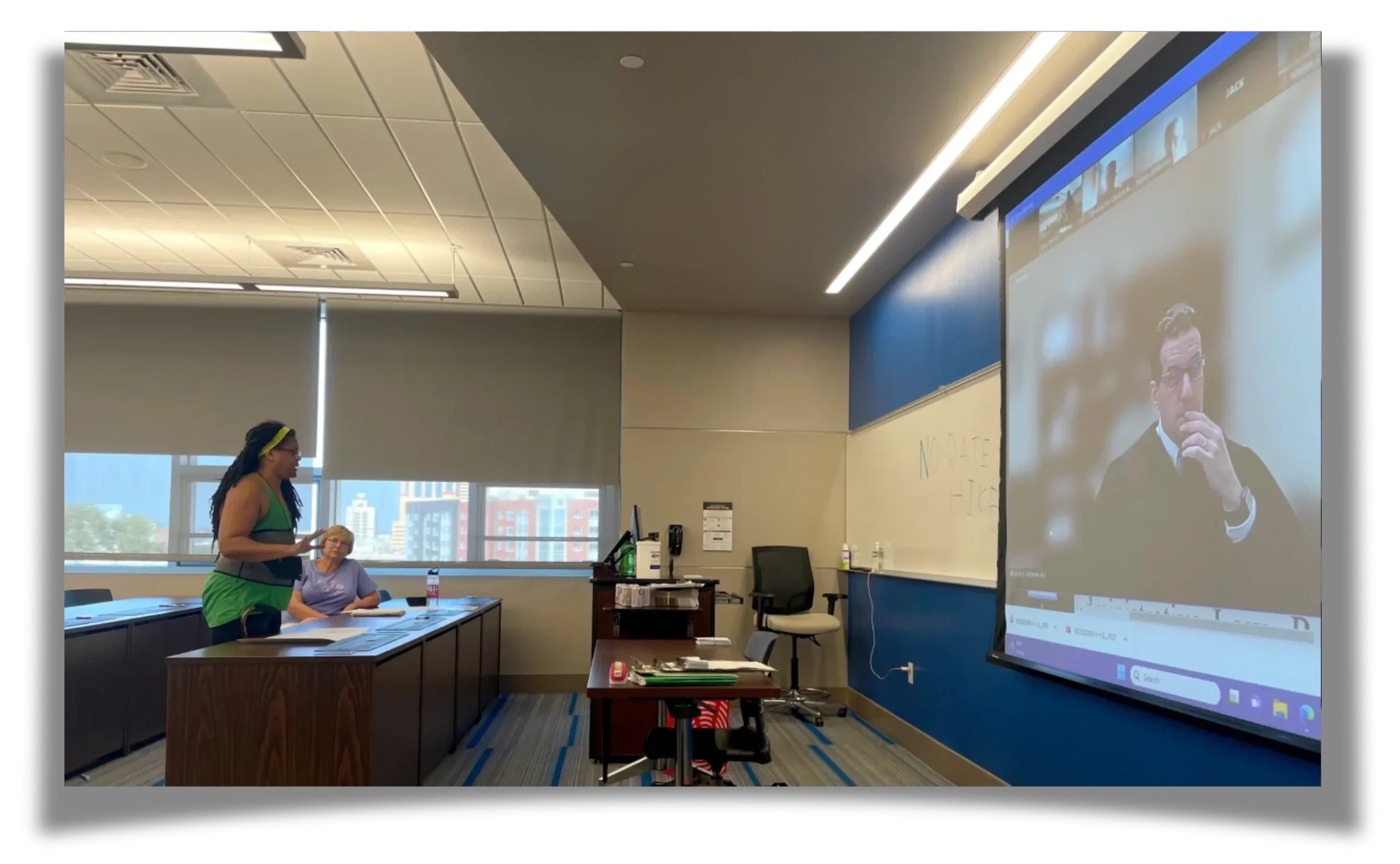
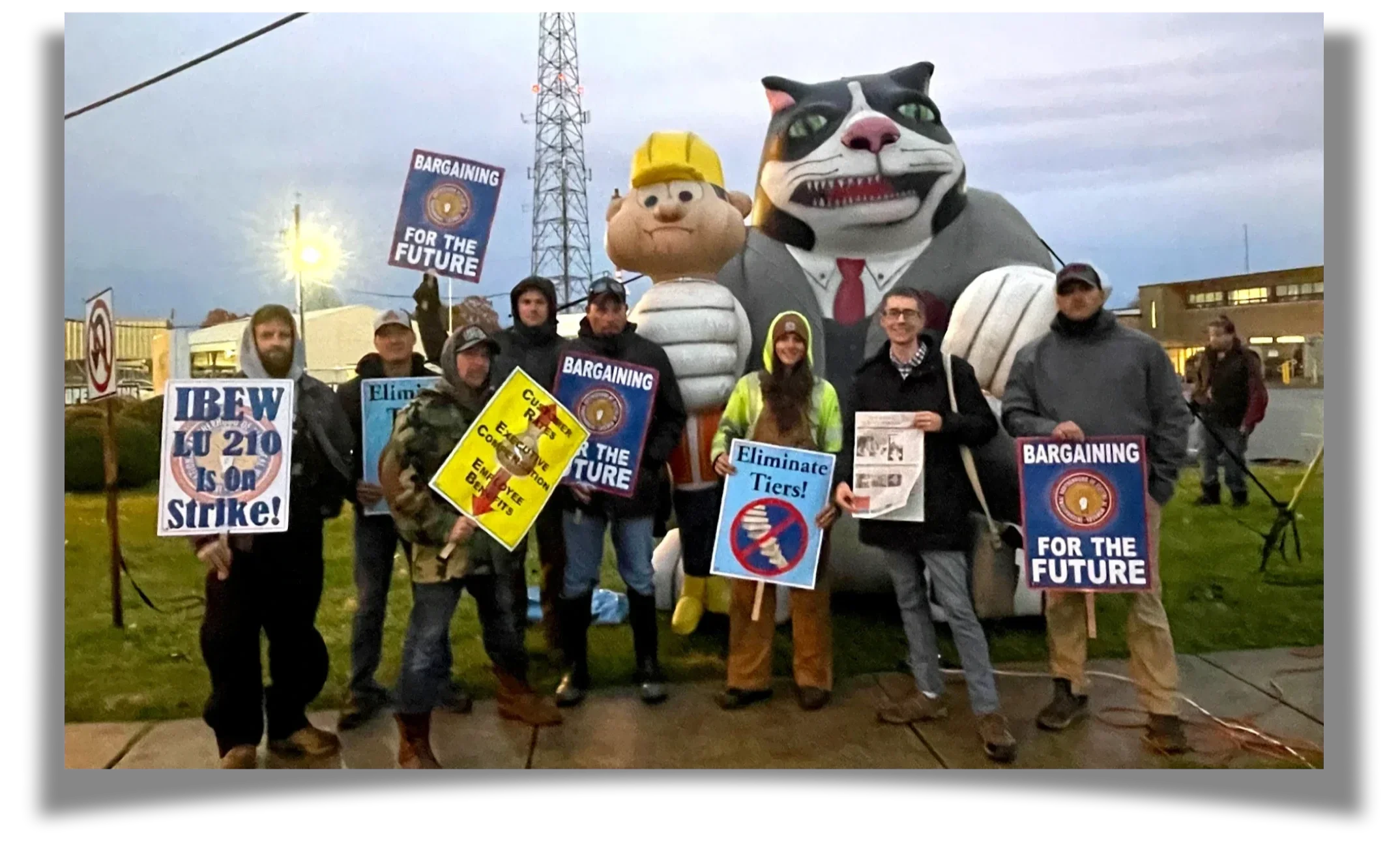
Culminating a months-long campaign, the WBC kept $60 million in the hands of local community members when state officials cut the proposed rate increase by investor-owned Atlantic City Electric, whose parent company, Exelon made $2.17 billion in profit the prior year. At the same time, the WBC attended picket lines to back the International Brotherhood of Electrical Workers (IBEW), who were on strike after Atlantic City Electric attempted to dismantle the union’s healthcare benefits and retirement benefits. The union said in a public statement it was “truly inspirational to witness the support from the community… as we fought for a better future!”